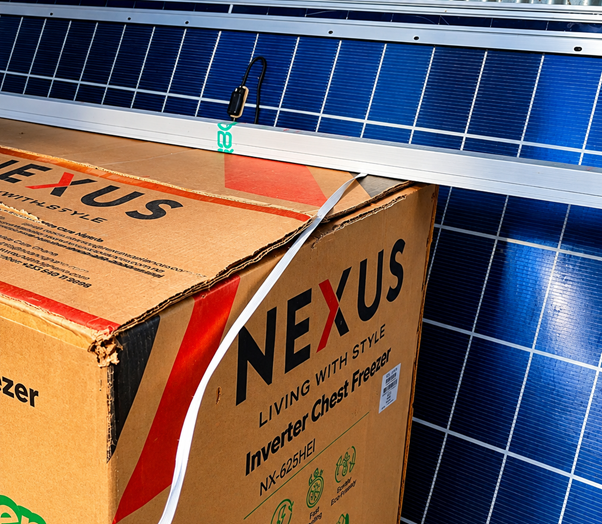
In two Niger Delta fishing communities, solar-powered cold storage is helping women preserve fish, supporting fishermen on extended fishing trips and creating opportunities for communities to manage shared infrastructure. Through this intervention, the Nigerian Conservation Foundation is demonstrating how renewable energy and local ownership can contribute to more resilient coastal livelihoods.
For many fishing households in the Niger Delta, the challenge does not end when fishermen return from the water. After hours, sometimes days, at sea, the value of their catch depends on how quickly it can be preserved and taken to market.
Without reliable electricity and adequate storage, fish can spoil quickly. Families are often left with little choice but to sell their produce immediately, sometimes at reduced prices, or risk losing it altogether. For women who buy, process and trade fish, the challenge is equally significant. Their ability to earn from the fishing value chain depends, in part, on how well they can preserve the produce they purchase.
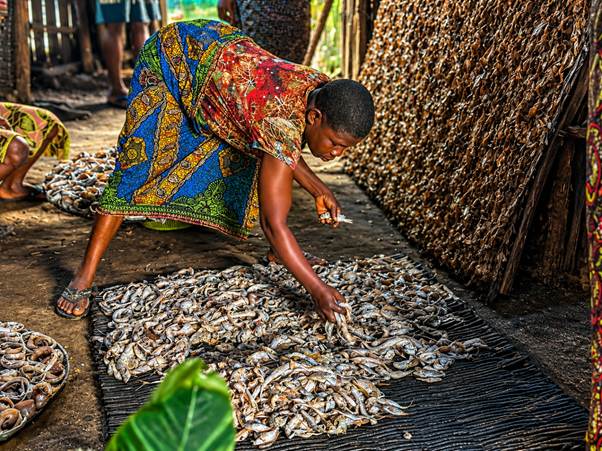
Traditional fish smoking offers one way to extend the shelf life of fish, but it often relies on firewood. In coastal communities where mangroves and other forest resources are already under pressure, this creates another environmental concern.
These interconnected challenges call for solutions that respond to both the economic realities of fishing households and the need to protect the ecosystems that sustain them.
Bringing Renewable Energy Closer to Coastal Communities
Recognising the connection between energy access, food preservation and environmental sustainability, the Nigerian Conservation Foundation (NCF), through its Catalyzing Local Action for Climate Justice in Nigeria project, supported the installation of solar-powered cold storage facilities in two fishing communities.
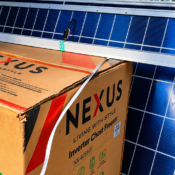
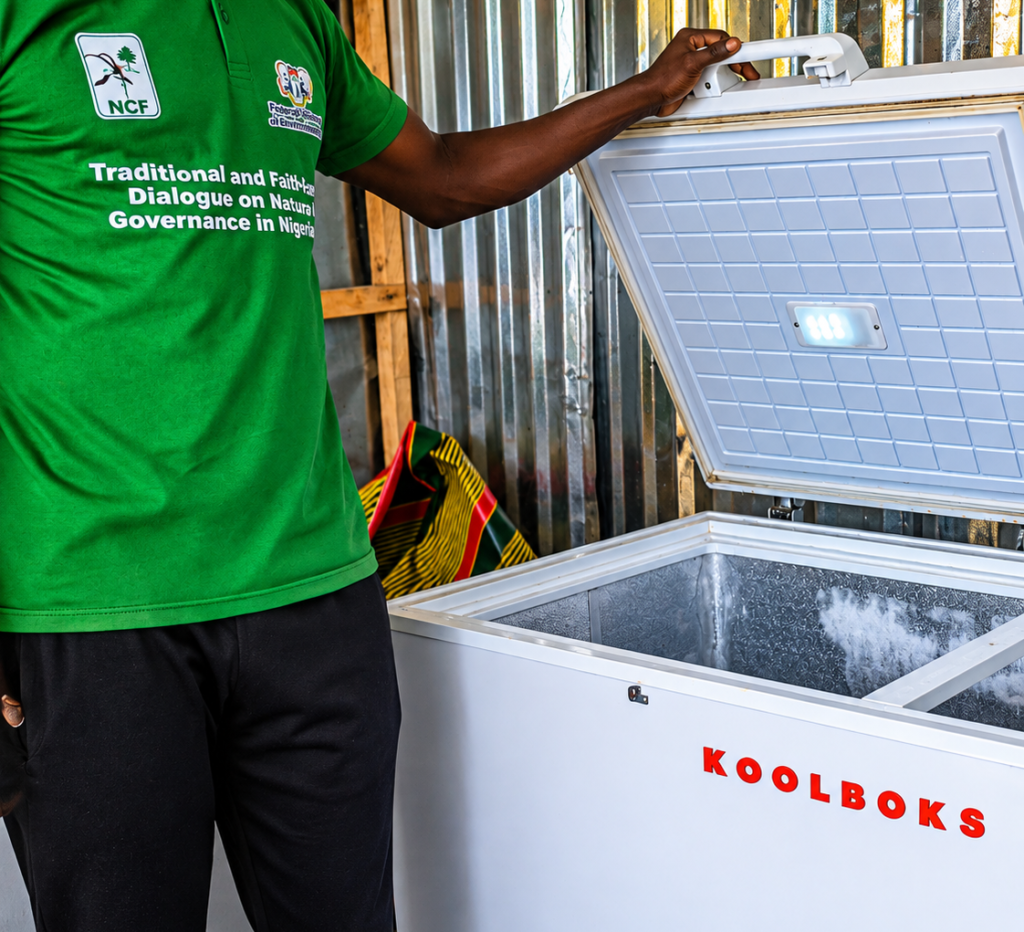
In Oyorokoto, Andoni Local Government Area of Rivers State, the intervention provided two deep freezers, eight solar panels and the necessary accessories. A similar facility was established at Okuntu Fishing Settlement, within Ogulagha Community, Burutu Local Government Area of Delta State.
Each location has 40 women using the facilities, bringing the number of women directly using the two facilities to 80.
For communities where reliable electricity is a challenge, the solar-powered systems offer a practical means of preserving fish for longer. They reduce dependence on conventional electricity supply and give fish traders and other users more flexibility in managing their produce. The intervention is particularly relevant to women, whose roles in the fishing value chain often extend beyond buying and selling fish to processing, preservation and marketing.
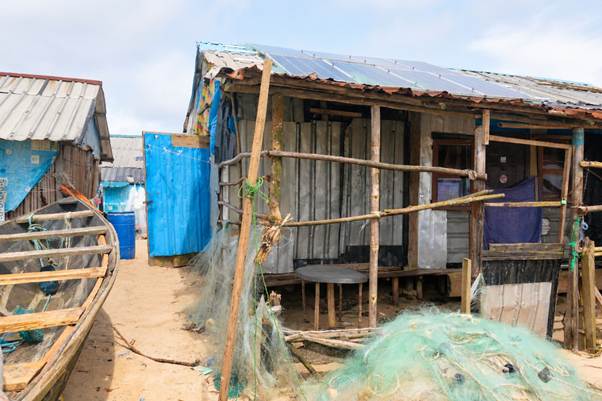
More Time to Preserve, More Choices to Sell
For fishing households, the ability to preserve a catch can make a significant difference to how they manage their earnings. Chief Dickson Amansa, Oganma of Amansa in Oyorokoto, describes the difficulties his community faced before the intervention. Without adequate storage, fishermen often had to sell their catch quickly to prevent spoilage, sometimes accepting prices that did not reflect the effort involved in bringing the fish home.
“We are a fishing community, and oftentimes our catch goes to waste because there is nowhere to store the fish. We also make losses because we have to sell quickly before the fish spoils. Since NCF brought the freezers, we have been able to preserve our fishing produce,” he explains.
Access to cold storage gives community members more time to manage their produce rather than making immediate sales the only option. It also creates opportunities to explore wider markets and retain some of the catch for household consumption.
Sylvanus Ananinanse, a member of a local cooperative society, offers another perspective on the intervention’s value across the fishing value chain. In her community, men go out to fish, while women purchase fish, crayfish and prawns, process them and sell them. These activities also provide work for others involved in drying, packaging and preparing produce for market.
With improved storage, community members have another way to preserve their fish and reduce the risk of spoilage.
“The freezers NCF brought have reduced the rate at which our fish gets rotten. We can now preserve our fish for longer, sell them and also keep some for our families. This has made a real difference to our fishing activities,” she says.
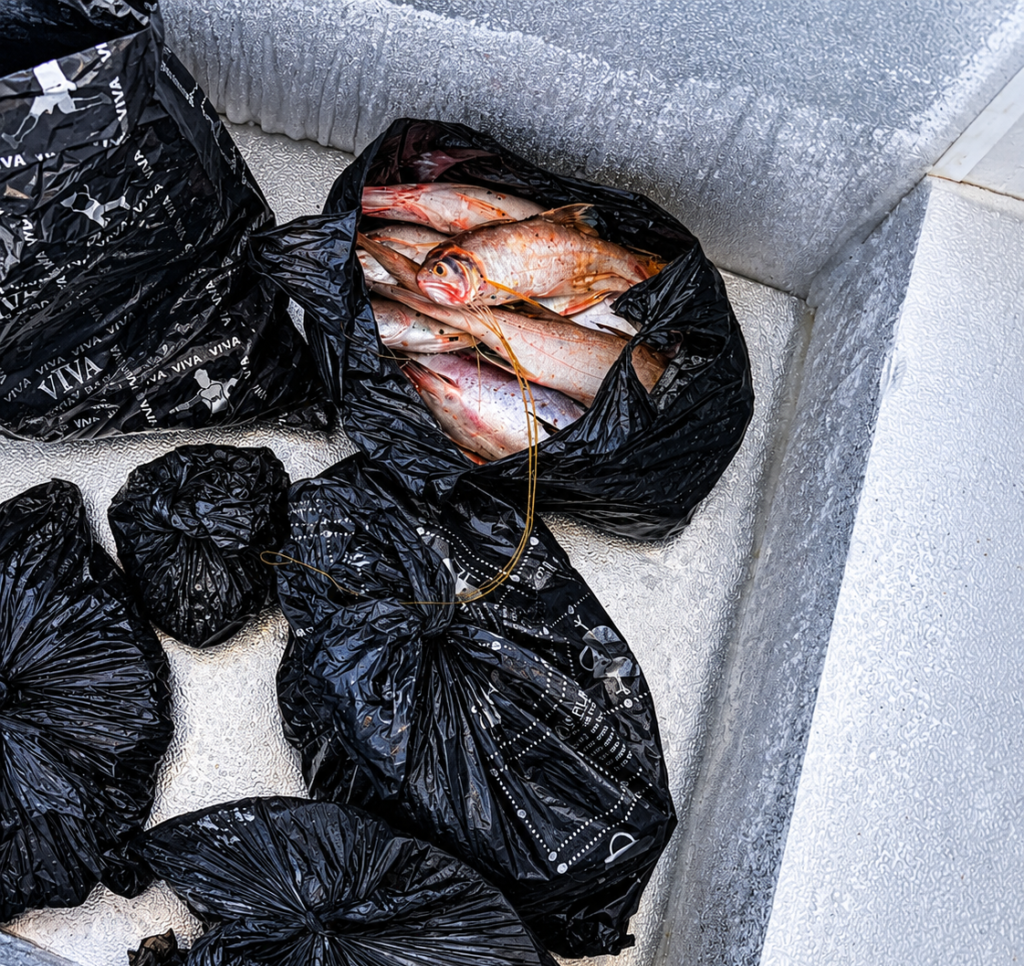
The benefits therefore extend beyond the fishermen who bring in the catch. They reach women traders, processors and other people whose livelihoods depend on the availability and quality of fish.
Putting Women at the Centre of Community Ownership
One of the most important features of the intervention is how the facilities are managed. Rather than treating the freezers as equipment simply delivered to the communities, NCF handed them over to women’s organisations in the respective locations. These organisations oversee their use, while community members determine the charges for preserving fish based on the quantity stored, measured in kilograms.
The proceeds are retained by the community and used to maintain the freezers and support other community activities. This arrangement gives the women a direct role in managing an important piece of shared infrastructure. It also creates a local mechanism for meeting maintenance needs and sustaining the facility beyond the project’s initial support.
The approach recognises that community ownership is strengthened when people have a meaningful role in making decisions, managing resources and determining how shared benefits are used.
For the women who use the facilities, the arrangement is not only about access to better preservation technology. It also provides an opportunity to participate in the management of an asset that supports their livelihoods and serves the wider community.
Taking the Solution Beyond the Shore
In Okuntu Fishing Settlement, the usefulness of the solar-powered freezers extends beyond preserving fish brought back from fishing trips. The facility is also used to produce ice blocks, which fishermen purchase before embarking on longer fishing expeditions. The ice helps them preserve their catch while still at sea, giving them a means of managing the quality of their produce until they return.
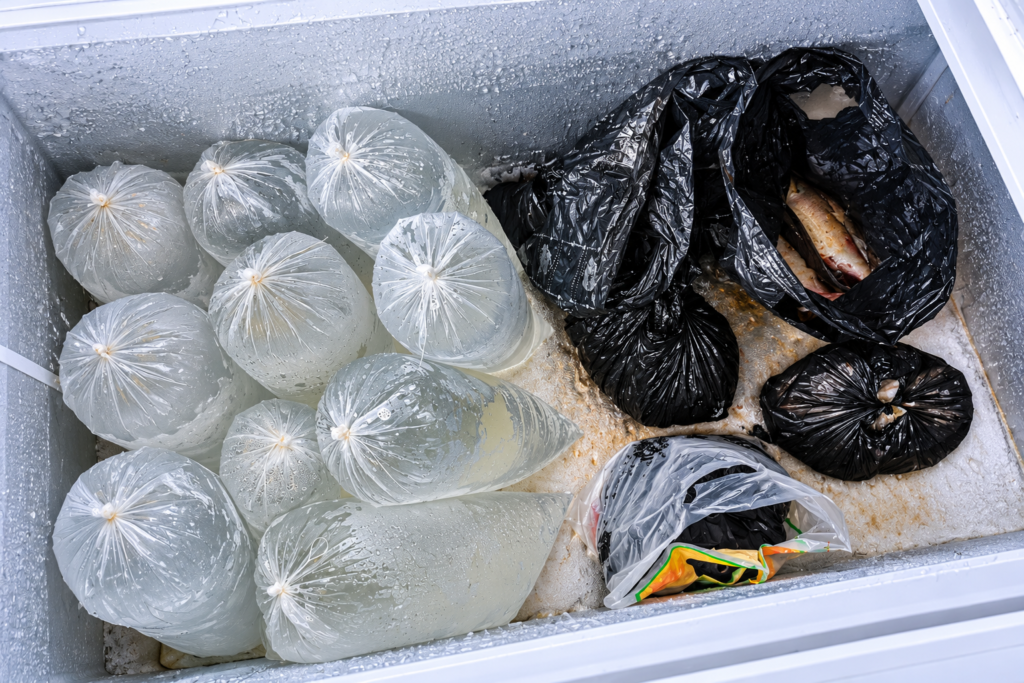
This additional use broadens the intervention’s value within the local fishing economy. The facility supports preservation both on land and during fishing activities, connecting the needs of fishermen with those of the women and other community members involved in processing and trading fish. Illustrating how locally managed infrastructure can respond to different needs within the same livelihood system.
Where Livelihood Support Meets Environmental Protection
The value of solar-powered cold storage extends beyond reducing fish spoilage. It also offers an alternative to some traditional fish preservation practices that depend on firewood. In coastal communities, demand for firewood can place additional pressure on surrounding mangrove and forest resources. By making cold storage more accessible, the intervention creates another option for preserving fish without relying exclusively on firewood-dependent smoking methods.
The use of solar energy is equally significant. In communities where access to reliable grid electricity is limited, renewable energy provides a practical way to support everyday economic activities while reducing dependence on conventional power sources. These connections matter in the Niger Delta, where the health of coastal ecosystems is closely tied to the livelihoods, food security and economic wellbeing of surrounding communities.
For communities whose livelihoods are shaped by the changing conditions of coastal ecosystems, resilience is built through solutions that address everyday challenges and create opportunities for people to participate in their own development.
The Catalyzing Local Action for Climate Justice in Nigeria project is implemented by the Nigerian Conservation Foundation, with support from the Ford Foundation.