Through an Energy Needs Assessment and the development of an improved fish-smoking platform, NCF is exploring how better processing technology can reduce pressure on forest resources, improve working conditions and strengthen coastal livelihoods.
In many coastal communities, fish smoking is more than a traditional food-processing practice. It is an important livelihood activity that supports household incomes, sustains local food systems and provides a means of preserving fish for markets beyond the immediate fishing communities.
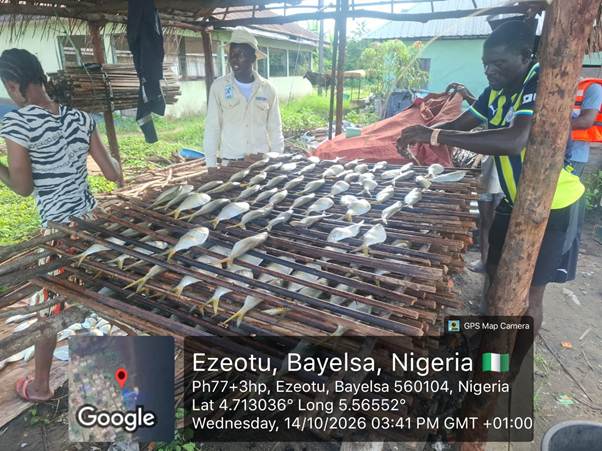
Yet, the methods used to process fish can carry significant environmental, economic and health implications. Traditional fish-smoking platforms, commonly referred to as alter, often operate with inefficient designs that waste energy, consume large quantities of fuelwood and expose processors to excessive smoke. The prolonged time required for processing can also contribute to post-harvest losses, particularly when fish processors need to preserve and sell their catch quickly to earn an income.
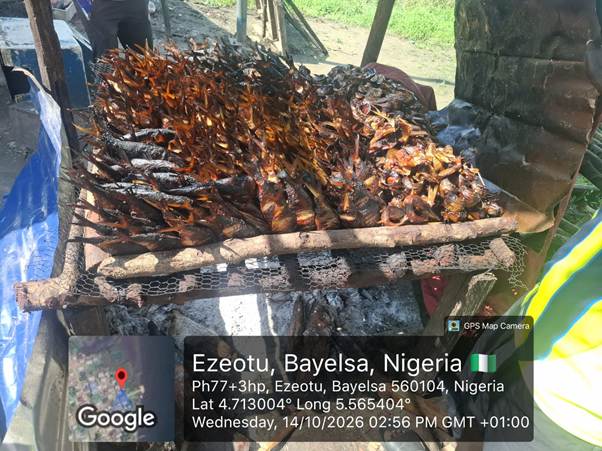
These challenges reveal an important connection between livelihood practices and environmental conservation. Where traditional production methods depend heavily on natural resources, improving the technology behind them can help reduce environmental pressure while creating better economic opportunities for the people who depend on those resources.
It is this opportunity that the Nigerian Conservation Foundation (NCF) is exploring through the Afforestation, Livelihood Enhancement and Carbon Sequestration (ALEC) Project, with the development of an improved, energy-efficient fish-smoking platform.
Understanding the Challenges Behind Traditional Fish Smoking
The journey towards this innovation began with an Energy Needs Assessment initiated under the ALEC Project. The assessment is examining energy demand, sources and utilisation within traditional fish-smoking practices to better understand the challenges faced by fish processors and identify opportunities for improvement.
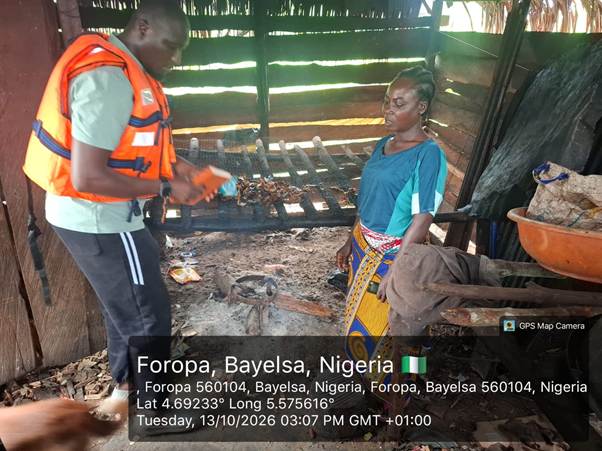
Some of the issues identified include energy loss resulting from the poor structural design of traditional fish-smoking platforms, high fuelwood consumption and the prolonged time required to smoke and preserve fish. The implications extend beyond operational inefficiencies.
Excessive smoke inhalation exposes fish processors to potential health risks, while the considerable fuelwood requirements place additional pressure on forest resources. Traditional fish-smoking practices also generate carbon emissions, adding to their environmental footprint.
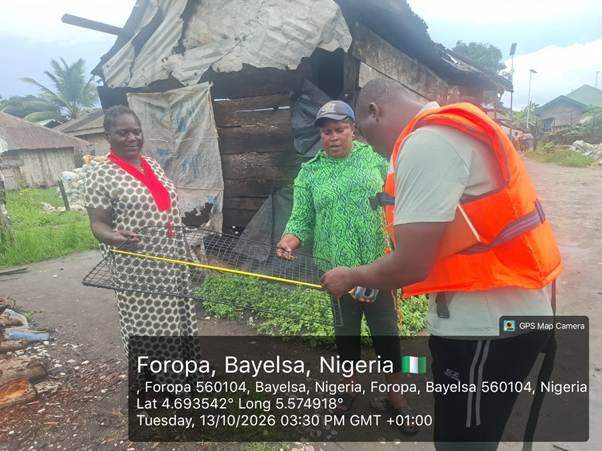
There is an economic dimension as well. When processing takes too long, fish processors may struggle to preserve their catch quickly enough to meet market demands. Delays can increase post-harvest losses and affect income, particularly for small-scale operators who depend on timely sales to sustain their businesses.
Taken together, these challenges make a strong case for improving fish-processing technology. A more efficient platform could help address the energy, health, productivity and environmental concerns associated with traditional methods.
Introducing ALTER: A More Efficient Approach to Fish Smoking
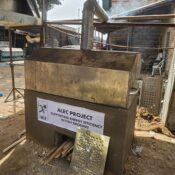
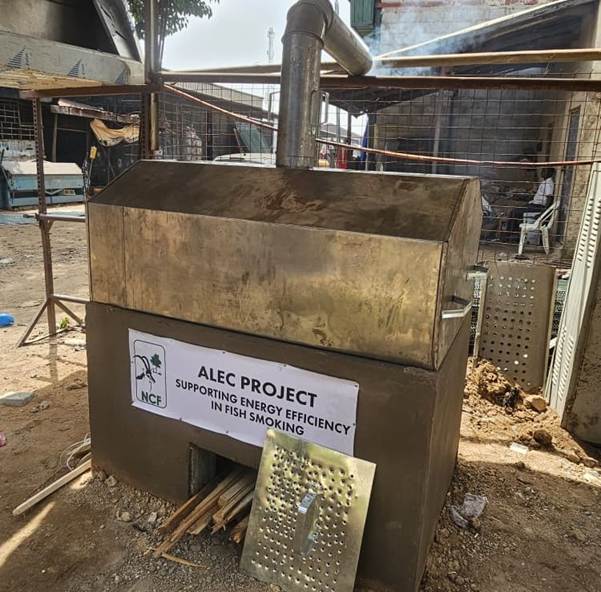
In response to these findings, NCF, through the ALEC Project, is advancing a pilot fish-smoking platform known as ALTER. The improved design is ready and currently undergoing testing.
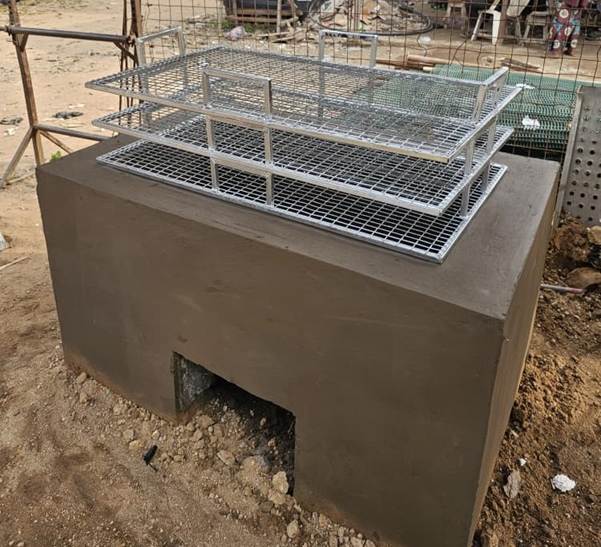
The platform is designed to address some of the structural and operational limitations associated with traditional fish-smoking methods through five key improvements:
- Controlled smoke emissions: Improving smoke management to minimise uncontrolled emissions and reduce processors’ exposure to harmful smoke.
- Optimised energy utilisation: Improving energy efficiency to reduce fuel consumption and the resources required for processing.
- Improved processing time: Enhancing the smoking process to reduce the time needed to preserve fish and improve productivity.
- Enhanced hygiene: Promoting cleaner and safer conditions for fish processing.
- Reduced health risks: Minimising exposure to excessive smoke and associated occupational health hazards.
These features are intended to improve the fish-smoking process while making it more efficient and safer for those who depend on it for their livelihoods.
As testing progresses, the platform will provide an opportunity to assess how an improved design can respond to the challenges identified through the Energy Needs Assessment and contribute to more sustainable fish-processing practices.
Connecting Better Processing With Coastal Forest Conservation
The significance of this innovation becomes clearer when viewed within the wider objectives of the ALEC Project.
Implemented by NCF in partnership with the Nigerian National Petroleum Company Limited (NNPC) and the FIRST Exploration & Petroleum Development Company (FIRST E&P) Joint Venture, the Afforestation, Livelihood Enhancement and Carbon Sequestration Project is focused on restoring coastal forest landscapes and strengthening livelihoods across 11 host communities in Bayelsa State.
The project has a five-year commitment to plant 500,000 indigenous trees, alongside interventions that promote sustainable livelihoods, community participation and the protection of natural resources.
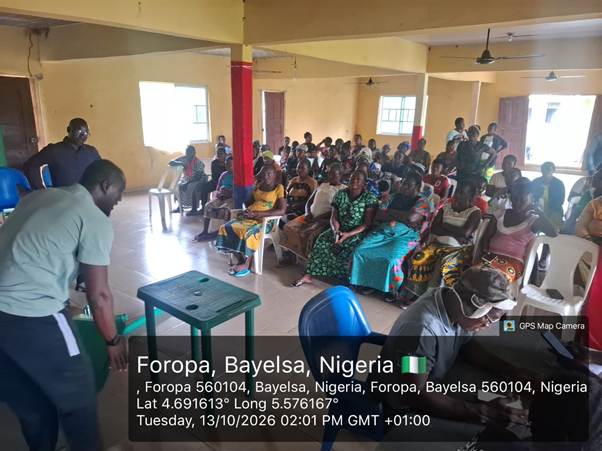
Mangrove forests are particularly important to the coastal communities where the project operates. They provide breeding and nursery habitats for fish and other aquatic species, protect shorelines from erosion, support biodiversity and store significant quantities of carbon. They are also closely connected to the economic activities of people who depend on coastal ecosystems. However, where fuelwood for fish smoking is sourced from surrounding forest areas, inefficient processing methods can contribute to additional pressure on these resources.
By promoting a more energy-efficient alternative, ALTER is exploring how improvements in fish processing could reduce fuelwood demand and help ease pressure on mangrove and other forest resources. This connection is central to the project’s approach: conservation efforts are more sustainable when they also address the livelihood practices and economic realities that influence how natural resources are used.
Making Climate Action Work for Communities
The development of ALTER demonstrates how climate action can be integrated into everyday economic activities. Reducing inefficient energy use, limiting avoidable emissions and easing pressure on forest resources are important steps towards more sustainable production systems. Equally important is ensuring that the transition creates practical benefits for the people involved.
For fish processors, a more efficient platform could mean less time spent smoking fish, improved working conditions, reduced exposure to harmful smoke and lower fuel requirements. Better processing efficiency could also help limit post-harvest losses and support more reliable income opportunities.
These potential benefits matter because conservation cannot be separated from the economic realities of coastal communities. People need viable livelihoods, and the natural resources that sustain those livelihoods need protection. Solutions that respond to both priorities offer a stronger foundation for long-term environmental and economic resilience.
As ALTER undergoes testing, NCF is taking an important step towards demonstrating how appropriate technology and livelihood innovation can contribute to coastal forest conservation.
Through the ALEC Project, the Foundation continues to advance an approach that connects ecosystem restoration with practical solutions for communities. The ambition is to ensure that efforts to protect coastal forests also strengthen the livelihoods of the people who depend on them. Ultimately, a more sustainable future for the Niger Delta will require innovations that make responsible resource use both environmentally sound and economically worthwhile.