How government, businesses and conservation partners are working together to integrate biodiversity into corporate decision-making.
Nigeria has taken another significant step towards building a nature-positive economy following the successful validation of the Nigeria Business Action Plan (BAP) for Biodiversity, a landmark framework designed to guide private sector contributions to the country’s biodiversity goals.
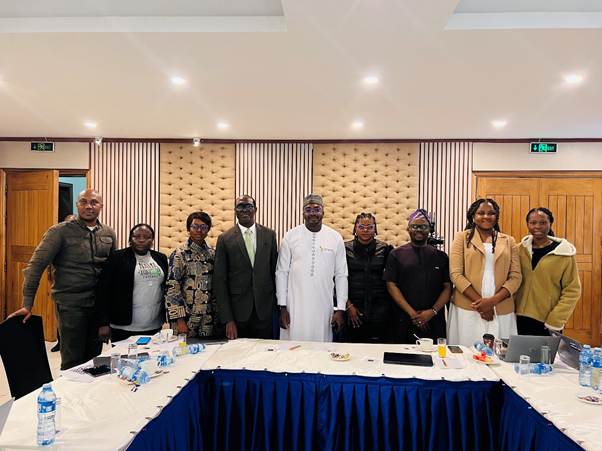
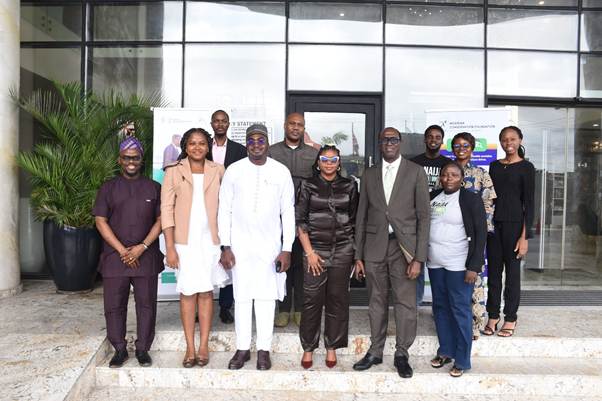
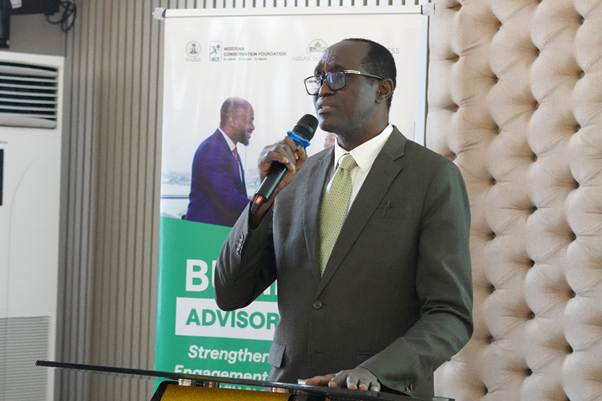
At the National Business Advisory Group (BAG) Technical Validation Workshop, held on 22 July 2026, representatives from government agencies, private sector organisations, regulators and conservation partners came together to validate the completed Business Action Plan before its official launch in Abuja.
The workshop marked the culmination of months of collaboration led by the Nigerian Conservation Foundation (NCF), Natural Eco Capital (NEC) and Business for Nature (BfN) under the Business Advisory Group, demonstrating a shared commitment to making biodiversity an integral part of business strategy in Nigeria.
Why Biodiversity Matters to Business
Biodiversity is often viewed solely as an environmental concern, but healthy ecosystems are fundamental to economic growth and business resilience.
Agriculture depends on fertile soils and pollinators. Manufacturing relies on natural resources and water. Financial institutions increasingly assess environmental risks before making investment decisions, while extractive industries depend on sustainable ecosystem management to reduce operational and regulatory risks.
As biodiversity loss accelerates globally, businesses are facing growing pressure from investors, regulators and consumers to understand and manage their impacts on nature. The Nigeria Business Action Plan responds to this challenge by providing businesses with a practical roadmap for integrating biodiversity into corporate governance, investment planning and sustainability reporting.
From Policy to Practical Action
The Business Action Plan was developed to translate Nigeria’s National Biodiversity Strategy and Action Plan (NBSAP) 2025–2030 and the Kunming-Montreal Global Biodiversity Framework into clear, actionable steps for the private sector.
Rather than functioning as another policy document, the BAP provides businesses with implementation pathways that help organisations:
- integrate biodiversity into corporate decision-making;
- strengthen nature-related governance and accountability;
- improve biodiversity disclosure and sustainability reporting;
- mobilise investments for conservation;
- align with emerging international reporting standards such as TNFD and ISSB.
The framework also establishes clear institutional responsibilities, monitoring mechanisms and governance structures to support implementation across sectors.

A Collaborative Validation Process
The Technical Validation Workshop brought together key stakeholders to review the complete Business Action Plan (Sections 1–8), assess its practicality and ensure it reflects Nigeria’s regulatory and commercial realities.
Throughout the workshop, participants examined:
- the strategic foundation of the Business Action Plan;
- sector-specific implementation pathways;
- biodiversity financing mechanisms;
- institutional responsibility and governance;
- monitoring, evaluation and learning frameworks;
- policy recommendations for implementation.
Discussions reinforced the importance of ensuring that biodiversity becomes part of everyday business decisions rather than remaining a standalone corporate social responsibility initiative.
Key Themes from the Validation Workshop
Several recurring themes emerged throughout the discussions.
Moving Beyond Voluntary Action
Participants agreed that biodiversity management is increasingly becoming a business necessity rather than an optional sustainability initiative. Integrating biodiversity into corporate planning helps organisations better manage risks, improve resilience and respond to evolving reporting expectations.
Building Better Reporting Systems
The workshop highlighted the importance of strengthening corporate biodiversity reporting through internationally recognised frameworks such as the Taskforce on Nature-related Financial Disclosures (TNFD) and the International Sustainability Standards Board (ISSB).
To support businesses of different sizes, the Business Action Plan includes simplified reporting templates designed to make implementation more practical, particularly for small and medium-sized enterprises.
Strengthening Collaboration Across Institutions
Stakeholders emphasised that successful implementation will depend on stronger collaboration between regulators, financial institutions, businesses and conservation organisations.
Discussions also reinforced the complementary roles of agencies such as the National Oil Spill Detection and Response Agency (NOSDRA) and the National Environmental Standards and Regulations Enforcement Agency (NESREA), while recognising the need for continued coordination on green finance and biodiversity policy.

What Businesses Identified During the Validation Exercise
An interactive stakeholder validation exercise provided valuable insights into the priorities and challenges facing different industries.
Among the key observations:
- Agricultural stakeholders identified land clearing as one of the most significant pressures on biodiversity and highlighted access to green finance as a critical need.
- Extractive industries recognised forests, mangroves and coastal ecosystems as essential natural assets while calling for stronger technical guidance on biodiversity reporting.
- Manufacturing organisations identified pollution and chemical runoff as priority biodiversity risks and emphasised the need for better biodiversity data and shared reporting systems.
- Financial institutions demonstrated increasing readiness to integrate biodiversity into lending and investment decisions, with green bonds emerging as a preferred financing mechanism.
Across all sectors, participants consistently identified public-private partnerships as one of the most effective approaches for advancing biodiversity action in Nigeria.
Major Outcomes of the Workshop
The validation workshop concluded with broad stakeholder support for the Business Action Plan.
Among the major outcomes were:
- validation of the Business Action Plan in principle, subject to minor technical refinements;
- confirmation of the BAP as the primary framework connecting private sector action with Nigeria’s biodiversity commitments;
- agreement to develop sector-specific implementation rulebooks by the fourth quarter of 2026;
- confirmation that mandatory corporate sustainability reporting will begin for large companies in 2028, with SMEs following in 2030;
- endorsement of the Business Advisory Group governance framework and institutional responsibility matrix.
Participants also agreed that annual progress reports should be published to monitor implementation and track private sector contributions towards national biodiversity targets.
Looking Ahead
With the technical validation completed, attention now shifts to incorporating stakeholder feedback, securing final executive endorsements and preparing for the official national launch of the Nigeria Business Action Planon 20 August 2026.
Following the launch, the Business Advisory Group will begin supporting implementation through sector-specific working groups, technical guidance, capacity building and ongoing collaboration with government and industry.
A Shared Vision for Nature-Positive Business
The successful validation of the Business Action Plan represents more than the completion of a policy document—it reflects a growing recognition that biodiversity is essential to Nigeria’s long-term economic prosperity.
By bringing together government, regulators, businesses and conservation partners, the Business Advisory Group is helping create a future where economic growth and environmental stewardship reinforce one another.
As implementation begins, the Business Action Plan is expected to strengthen corporate accountability, improve investment in nature, support national biodiversity targets and position Nigeria as a regional leader in nature-positive business practices.
Protecting biodiversity is no longer solely the responsibility of conservation organisations. It is increasingly becoming a shared responsibility and an opportunity for every sector of the economy.