Nigeria Cannot Build Flood Resilience While Destroying Its Wetlands
By Dr. Joseph Onoja
Every rainy season in Nigeria now arrives with a familiar sense of anxiety. Roads disappear beneath floodwaters, homes are submerged, businesses are disrupted, and lives are displaced. What was once considered a seasonal inconvenience has become a recurring national emergency.
But Nigeria’s flooding crisis is no longer simply about rain.
It is the result of a dangerous collision between climate change, environmental degradation, and weak urban planning. Climate change is intensifying rainfall patterns across Africa, but human activities like deforestation, wetland destruction, poor drainage systems, and uncontrolled development on floodplains are multiplying the scale of destruction.
The uncomfortable truth is this: flooding in Nigeria is becoming structural.
“Climate change may trigger the rainfall, but environmental degradation determines whether rain becomes disaster.” – Dr. Joseph Onoja
Climate Change Is Intensifying the Risk
Scientific evidence continues to show that extreme rainfall events are becoming more intense across Africa. According to the Intergovernmental Panel on Climate Change (IPCC), both the frequency and intensity of heavy precipitation events are projected to increase as global warming accelerates.
In cities like Lagos, the impacts are already visible. Urban flooding has become more widespread, with both short-duration high-intensity rainfall and prolonged rainfall events increasing flood risks.
However, climate change alone does not explain the scale of devastation we are witnessing.
Ordinarily, heavy rainfall should not automatically become a disaster. Healthy wetlands, functional drainage systems, protected floodplains, and well-planned urban infrastructure are designed to absorb and manage excess water. But when these natural and engineered systems fail or are deliberately compromised, communities become increasingly vulnerable.
Nigeria’s flood challenge is therefore not only a climate issue. It is also a planning and governance issue.
Nigeria Is Destroying Its Natural Flood Defences
One of the most overlooked aspects of flood resilience in Nigeria is the role of nature itself. Forests, wetlands, mangroves, and floodplains act as natural flood buffers. They absorb excess water, slow runoff, reduce erosion, and minimize flood peaks. In many ways, they function as invisible infrastructure protecting communities from disaster.
Yet across Nigeria, these ecosystems are being degraded at alarming rates.
Deforestation reduces the soil’s ability to absorb water, increasing surface runoff and erosion. Sediments washed into drainage systems reduce their capacity and worsen urban flooding. At the same time, wetlands and floodplains are increasingly being sandfilled and converted for construction and urban expansion.
The irony is embedded in the name itself: floodplains exist to absorb floods.
In Lagos, this issue is particularly critical. Water bodies, lagoons, creeks, and wetlands cover more than 62% of the state’s land area, while another significant portion remains seasonally flood prone. When these ecosystems are filled, degraded, or built over, floodwater has fewer places to disperse safely. Instead, it ends up in homes, roads, and communities.
“Wetlands are not vacant land waiting for development; they are natural infrastructure protecting cities from collapse.” – Dr. Joseph Onoja
The implications are enormous. Sensitive ecological areas such as the Lekki Conservation Centre continue to serve as natural buffers by receiving, retaining, and absorbing water from surrounding environments. If such ecological buffers are lost to uncontrolled development, entire communities become significantly more exposed to flooding risks with attendant consequences for human health, livelihoods, wellbeing, infrastructure, and property.
Nigeria’s Adaptation Gap Is Growing
Nigeria is not standing completely still. There are signs of progress. The Lagos Climate Adaptation and Resilience Plan identify dozens of adaptation projects and estimates financing needs between US$9 billion and US$16 billion by 2035. This reflects increasing recognition that climate resilience must become a development priority.
But adaptation efforts are still not keeping pace with the speed of urban growth and climate risk. Rapid urbanization, inadequate drainage systems, weak urban governance, and insufficient climate-resilient infrastructure continue to increase exposure across many Nigerian cities.
The next 10 to 20 years are likely to bring even more dangerous combinations of:
- intense rainfall,
- river flooding,
- urban flooding,
- and coastal flooding/erosion.
Sea level rise will further worsen risks in low-lying coastal cities, especially Lagos.
Without urgent intervention, the economic, social, and environmental costs will continue to rise.
“The cost of protecting ecosystems today is far lower than the cost of rebuilding cities tomorrow.” – Dr. Joseph Onoja
Nature-Based Solutions Must Become National Policy
Nigeria cannot engineer its way out of this crisis through concrete alone. Flood resilience requires a combination of infrastructure investment and ecological protection. Nature-based solutions must become central to national and subnational climate adaptation strategies.
This means:
- Protecting and restoring forests, wetlands, mangroves, and floodplains
- Strengthening drainage and stormwater systems
- Enforcing risk-sensitive urban planning regulations
- Preventing development on ecologically sensitive areas
- Improving solid waste management to prevent blocked drainage systems
- Investing in low-carbon and climate-resilient growth pathways
These actions are not optional environmental luxuries. They are essential investments in public safety, economic stability, and national resilience.
“The future of flood resilience in Nigeria will depend as much on ecological protection as on engineering.” – Dr. Joseph Onoja
A Defining Choice for Nigeria
Floods are no longer isolated disasters. They are warning signs. They reveal the growing consequences of ignoring environmental limits while cities expand faster than resilience systems can keep pace. They expose the cost of treating ecosystems as expendable rather than essential.
Nigeria still has a choice. We can continue reacting to flood disasters after they occur, or we can invest in prevention, resilience, and nature-based infrastructure before the next crisis arrives.
Protecting Forests, wetlands, restoring degraded ecosystems, and strengthening climate adaptation systems are not simply environmental priorities. They are national development imperatives.
The future resilience of Nigeria’s cities may well depend on how seriously we take them today.
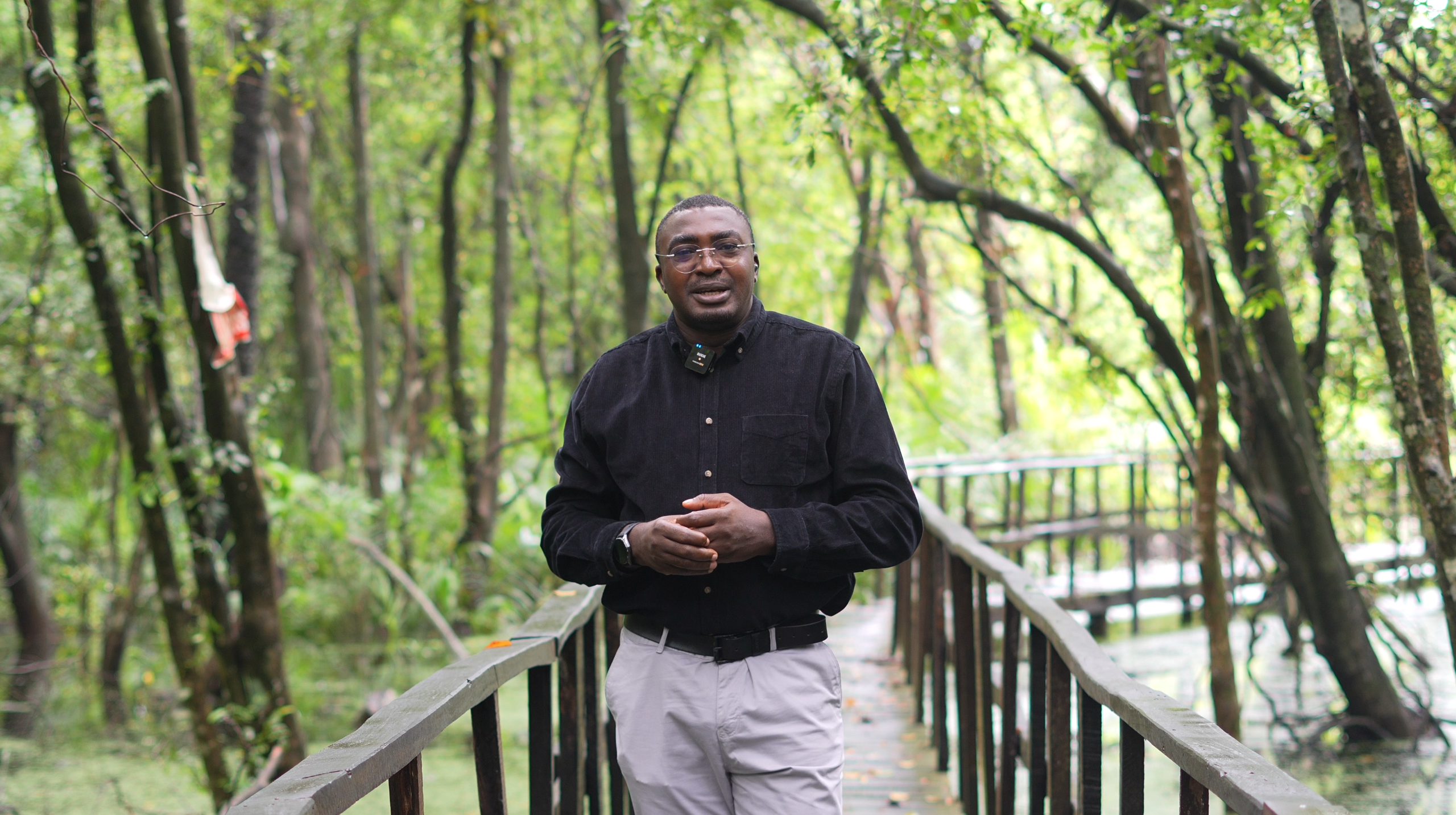
Dr. Onoja Joseph Daniel is the Director General of the Nigerian Conservation Foundation (NCF) and a distinguished expert in conservation biology and environmental management. He holds a PhD in Conservation Biology from the A.P. Leventis Ornithological Research Institute (APLORI) of the University of Jos, in collaboration with St. Andrews University, UK, and is an alumnus of the U.S. State Department’s International Visitor Leadership Program on Protected Planet.
A statutory member of the National Forestry Trust Fund, Nigeria Park Service, and a Council Member of the National Climate Change Commission, Dr. Onoja is a sought-after voice in national and international forums, including the Harvard University Salata Institute of Climate and Sustainability, championing biodiversity conservation, climate action, and sustainable development.