Strengthening Business Engagement in Nigeria’s Biodiversity Agenda

Mobilizing private sector leadership to support Nigeria’s biodiversity goals

Led by Nigerian Conservation Foundation and Natural Eco Capital in partnership with Business for Nature, this initiative mobilizes Nigerian businesses, government institutions, and civil society to accelerate private sector action in support of Nigeria’s biodiversity commitments and build a nature-positive economy.

#NaturePositiveNigeria

About the Initiative

Strengthening Business Engagement in Nigeria’s Biodiversity Agenda is a national initiative designed to align private sector leadership with Nigeria’s biodiversity and sustainable development priorities.

The project supports the implementation of Nigeria’s National Biodiversity Strategy and Action Plan (NBSAP) and contributes to global biodiversity goals under the Kunming-Montreal Global Biodiversity Framework.

Through collaboration between business, government, and civil society, the initiative seeks to integrate biodiversity considerations into business decision-making, economic planning, and investment strategies.

The initiative brings together leading Nigerian companies, policymakers, and sustainability experts to:


  • Strengthen collaboration between the public and private sectors
  • Build awareness of nature-related risks and opportunities for businesses
  • Develop practical tools and frameworks that support business participation in biodiversity conservation

Ultimately, the initiative aims to position Nigeria as a regional leader in nature-positive business practices while contributing to long-term ecological resilience and sustainable economic growth.

About the Initiative

Strengthening Business Engagement in Nigeria’s Biodiversity Agenda is a national initiative designed to align private sector leadership with Nigeria’s biodiversity and sustainable development priorities.

The project supports the implementation of Nigeria’s National Biodiversity Strategy and Action Plan (NBSAP) and contributes to global biodiversity goals under the Kunming-Montreal Global Biodiversity Framework.

Through collaboration between business, government, and civil society, the initiative seeks to integrate biodiversity considerations into business decision-making, economic planning, and investment strategies.

The initiative brings together leading Nigerian companies, policymakers, and sustainability experts to:


  • Strengthen collaboration between the public and private sectors
  • Build awareness of nature-related risks and opportunities for businesses
  • Develop practical tools and frameworks that support business participation in biodiversity conservation

Ultimately, the initiative aims to position Nigeria as a regional leader in nature-positive business practices while contributing to long-term ecological resilience and sustainable economic growth.

As Eva Zabey, CEO of Business for Nature, explains: “Nigeria represents a transformational opportunity for nature-positive business action in Africa. Businesses across Nigeria are recognizing that a healthy natural environment underpins long-term economic prosperity and resilience.”
Nigeria’s Biodiversity at a Crossroads

Nigeria’s biodiversity is under increasing pressure from deforestation, pollution, unsustainable land use, and climate change. While these environmental challenges pose serious risks to ecosystems and livelihoods, they also represent an opportunity for businesses to play a transformative role in safeguarding the country’s natural capital.

According to the Nigerian Conservation Foundation, only about 4% of Nigeria’s original forest cover remains, and the country loses approximately 400,000 hectares of forest annually due to logging, agriculture, and urban expansion. Between 2000 and 2020, Nigeria’s tree cover declined by 13%, placing it among the countries with the fastest rates of deforestation in Africa.

Businesses across sectors including agriculture, manufacturing, extractives, finance, and services both depend on and impact nature. Integrating biodiversity into corporate strategies can help companies manage risk, unlock innovation, attract investment, and contribute to a resilient, nature-positive economy.

Businesses across sectors including agriculture, manufacturing, extractives, finance, and services both depend on and impact nature. Integrating biodiversity into corporate strategies can help companies manage risk, unlock innovation, attract investment, and contribute to a resilient, nature-positive economy.

As Eva Zabey, CEO of Business for Nature, explains:

“Nigeria represents a transformational opportunity for nature-positive business action in Africa. Businesses across Nigeria are recognizing that a healthy natural environment underpins long-term economic prosperity and resilience.”

Nigeria’s Biodiversity at a Crossroads

Nigeria’s biodiversity is under increasing pressure from deforestation, pollution, unsustainable land use, and climate change. While these environmental challenges pose serious risks to ecosystems and livelihoods, they also represent an opportunity for businesses to play a transformative role in safeguarding the country’s natural capital.

According to the Nigerian Conservation Foundation, only about 4% of Nigeria’s original forest cover remains, and the country loses approximately 400,000 hectares of forest annually due to logging, agriculture, and urban expansion. Between 2000 and 2020, Nigeria’s tree cover declined by 13%, placing it among the countries with the fastest rates of deforestation in Africa.

Businesses across sectors including agriculture, manufacturing, extractives, finance, and services both depend on and impact nature. Integrating biodiversity into corporate strategies can help companies manage risk, unlock innovation, attract investment, and contribute to a resilient, nature-positive economy. As Eva Zabey, CEO of Business for Nature, explains: ncfnigeria “Nigeria represents a transformational opportunity for nature-positive business action in Africa. Businesses across Nigeria are recognizing that a healthy natural environment underpins long-term economic prosperity and resilience.”
Project Goal and Objectives

The initiative seeks to mobilize private sector leadership to support Nigeria’s biodiversity agenda through structured collaboration with government and civil society.

Key objectives include:

  • Establishing a national platform for business-government dialogue on biodiversity
  • Developing a Business Action Plan to guide private sector contributions to national biodiversity targets
  • Raising awareness of the economic importance of nature among Nigerian businesses
  • Strengthening corporate alignment with national and global biodiversity frameworks
  • Promoting transparency, accountability, and sustainability reporting related to biodiversity impacts

Project Goal and Objectives

The initiative seeks to mobilize private sector leadership to support Nigeria’s biodiversity agenda through structured collaboration with government and civil society.

Key objectives include:

  • Establishing a national platform for business-government dialogue on biodiversity
  • Developing a Business Action Plan to guide private sector contributions to national biodiversity targets
  • Raising awareness of the economic importance of nature among Nigerian businesses
  • Strengthening corporate alignment with national and global biodiversity frameworks
  • Promoting transparency, accountability, and sustainability reporting related to biodiversity impacts

The Business Advisory Group (BAG)

A central pillar of the initiative is the establishment of the National Business Advisory Group (BAG)—a high-level platform that brings together business leaders, government representatives, and sustainability experts to coordinate private sector engagement in Nigeria’s biodiversity agenda. The BAG was formally inaugurated in November 2025 and serves as a structured mechanism for dialogue, collaboration, and policy alignment between the private sector and the government. Led by the private sector in collaboration with Nigeria’s Federal Ministry of Environment, the BAG is supported technically by Nigerian Conservation Foundation and Natural Eco Capital.

Core Functions of the BAG

The Business Advisory Group will:

  • Guide the development and implementation of the Business Action Plan (BAP)
  • Align corporate strategies with Nigeria’s biodiversity targets under the NBSAP
  • Provide coordinated private sector input into biodiversity policy discussions
  • Promote the adoption of global sustainability disclosure frameworks such as the Taskforce on Nature-related Financial Disclosures (TNFD)
  • Facilitate knowledge sharing and capacity building among participating companies

The BAG includes approximately 15–30 representatives from key sectors, ensuring that biodiversity considerations are integrated into national economic decision-making.

ncf_3

Core Functions of the BAG

ncf_2

The Business Advisory Group will:

  • Guide the development and implementation of the Business Action Plan (BAP)
  • Align corporate strategies with Nigeria’s biodiversity targets under the NBSAP
  • Provide coordinated private sector input into biodiversity policy discussions
  • Promote the adoption of global sustainability disclosure frameworks such as the Taskforce on Nature-related Financial Disclosures (TNFD)
  • Facilitate knowledge sharing and capacity building among participating companies

The BAG includes approximately 15–30 representatives from key sectors, ensuring that biodiversity considerations are integrated into national economic decision-making.

Ajayi

As Oluwasooto Ajayi, African Lead at Business for Nature, notes: “Businesses in Nigeria are increasingly paying attention to nature as part of their broader sustainability work. This collaboration will help connect private sector leadership with national biodiversity priorities and accelerate progress for nature.”

The Business Action Plan (BAP)

The Business Action Plan (BAP) will serve as a strategic roadmap for private sector contributions to Nigeria’s biodiversity goals.

Developed through consultations within the Business Advisory Group, the BAP will identify priority national biodiversity targets where business engagement is critical and outline practical actions for companies, government agencies, and supporting partners.

The BAP will include:

  • Priority biodiversity targets from Nigeria’s NBSAP that require private sector engagement
  • Key actions businesses can take to reduce biodiversity impacts and support ecosystem restoration
  • Policy and regulatory recommendations to strengthen the enabling environment for nature-positive investment
  • Mechanisms for reporting, disclosure, and monitoring corporate biodiversity performance
  • Recommendations on financing and incentives to accelerate private sector participation.

Through the BAP, Nigerian businesses will gain a clear framework for integrating biodiversity considerations into corporate strategy and sustainability reporting.

The Business Action Plan (BAP)

ncf_4

The Business Action Plan (BAP) will serve as a strategic roadmap for private sector contributions to Nigeria’s biodiversity goals.

Developed through consultations within the Business Advisory Group, the BAP will identify priority national biodiversity targets where business engagement is critical and outline practical actions for companies, government agencies, and supporting partners.

The BAP will include:

  • Priority biodiversity targets from Nigeria’s NBSAP that require private sector engagement
  • Key actions businesses can take to reduce biodiversity impacts and support ecosystem restoration
  • Policy and regulatory recommendations to strengthen the enabling environment for nature-positive investment
  • Mechanisms for reporting, disclosure, and monitoring corporate biodiversity performance
  • Recommendations on financing and incentives to accelerate private sector participation.

Through the BAP, Nigerian businesses will gain a clear framework for integrating biodiversity considerations into corporate strategy and sustainability reporting.

As Oluwasooto Ajayi, African Lead at Business for Nature, notes:

ncfnigeria

“Businesses in Nigeria are increasingly paying attention to nature as part of their broader sustainability work. This collaboration will help connect private sector leadership with national biodiversity priorities and accelerate progress for nature.”

Priority Sectors for Engagement

The initiative focuses on sectors with significant environmental impact and influence across Nigeria’s economy, including:

  • Financial Institutions
  • Industrial and Extractive Industries
  • Consumer Goods and Manufacturing
  • Professional and Consulting Services
  • Civil Society and Sustainability Organizations

These sectors play a critical role in shaping investment decisions, supply chains, production systems, and policy dialogue related to biodiversity and natural resource management.

ncf_4

Priority Sectors for Engagement

ncf_3

The initiative focuses on sectors with significant environmental impact and influence across Nigeria’s economy, including:

  • Financial Institutions
  • Industrial and Extractive Industries
  • Consumer Goods and Manufacturing
  • Professional and Consulting Services
  • Civil Society and Sustainability Organizations

These sectors play a critical role in shaping investment decisions, supply chains, production systems, and policy dialogue related to biodiversity and natural resource management.

Project Timeline

The initiative follows a structured timeline to guide consultations, stakeholder engagement, and the development of the Business Action Plan.

November 2025 – March 2026
National awareness campaign on business and biodiversity.
November 2025
Inauguration of the Business Advisory Group.
November 2025 – June 2026
Consultations, stakeholder engagement, and sector-specific dialogues to inform the Business Action Plan.
March 15, 2026
Submission of sector challenges to guide BAP development.
June 30, 2026
Completion of the draft Business Action Plan.
August 2026
Official launch of the Business Action Plan with government endorsement.

Expected Impact

By strengthening collaboration between businesses, policymakers, and civil society, the initiative aims to deliver several long-term outcomes:

  • Increased private sector participation in implementing Nigeria’s biodiversity strategy
  • Greater adoption of corporate biodiversity disclosure and sustainability reporting
  • Enhanced alignment between economic development and environmental protection
  • Improved capacity for businesses to assess and manage nature-related risks and opportunities
  • Stronger collaboration between government, business, and civil society in advancing nature-positive development
ncfnigeria_speakers

As Dr. Joseph Onoja, Director-General of the Nigerian Conservation Foundation, explains: “This partnership creates a unique platform to engage the private sector as an essential partner in restoring ecosystems, creating green jobs, and safeguarding Nigeria’s natural heritage for future generations.” Similarly, Dr. Eugene Itua, CEO of Natural Eco Capital, emphasizes: “Nature is one of our most valuable assets, and its protection must be seen as smart economics, not philanthropy.”


Expected Impact

ncf_1

By strengthening collaboration between businesses, policymakers, and civil society, the initiative aims to deliver several long-term outcomes:

  • Increased private sector participation in implementing Nigeria’s biodiversity strategy
  • Greater adoption of corporate biodiversity disclosure and sustainability reporting
  • Enhanced alignment between economic development and environmental protection
  • Improved capacity for businesses to assess and manage nature-related risks and opportunities
  • Stronger collaboration between government, business, and civil society in advancing nature-positive development
As Dr. Joseph Onoja, Director-General of the Nigerian Conservation Foundation, explains: ncfnigeria “This partnership creates a unique platform to engage the private sector as an essential partner in restoring ecosystems, creating green jobs, and safeguarding Nigeria’s natural heritage for future generations.” Similarly, Dr. Eugene Itua, CEO of Natural Eco Capital, emphasizes: ncfnigeria “Nature is one of our most valuable assets, and its protection must be seen as smart economics, not philanthropy.”



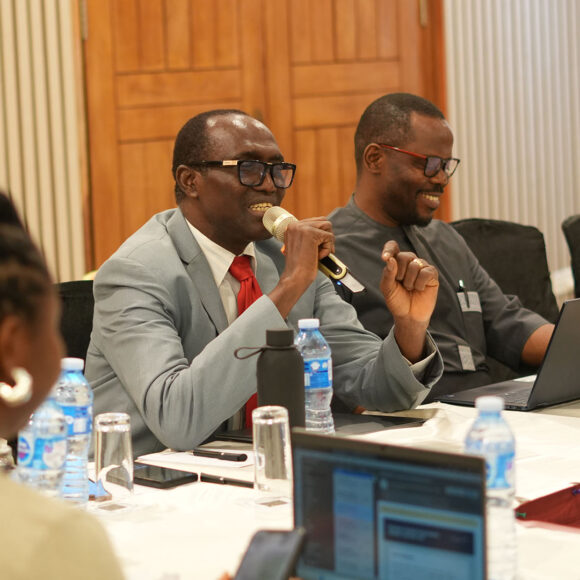
Gallery

Blog

Get Involved - Nature-Positive Nigeria
Join the movement

Get Involved

Achieving a nature-positive Nigeria requires collaboration across sectors and institutions.

Businesses

Companies can play a transformative role by joining the Business Advisory Group, participating in consultations, and implementing actions outlined in the Business Action Plan.

Government

Government institutions can support the initiative by endorsing the Business Advisory Group and Business Action Plan, while strengthening policy frameworks that enable nature-positive investment and corporate sustainability.

Civil Society & Academia

Research institutions, NGOs, and advocacy groups can contribute technical expertise, strengthen accountability, and support awareness-raising across sectors.

Media

Journalists and media organizations play a critical role in amplifying success stories, highlighting business leadership, and informing the public about the importance of biodiversity.

International Partners

Development partners, investors, and international organizations are invited to collaborate in scaling nature-positive solutions and strengthening private sector engagement in biodiversity conservation.

Our Partners - Nature-Positive Nigeria
Strategic alliances

Our Partners

Collaborating with leading organizations to drive a nature-positive transformation in Nigeria.

Nigerian Conservation Foundation - Forest conservation

Nigerian Conservation Foundation

Nigeria's premier environmental NGO dedicated to nature conservation and sustainable development. Founded in 1980, the organization works with government, communities, and corporate partners to protect Nigeria's biodiversity and promote sustainable resource management.

Learn more
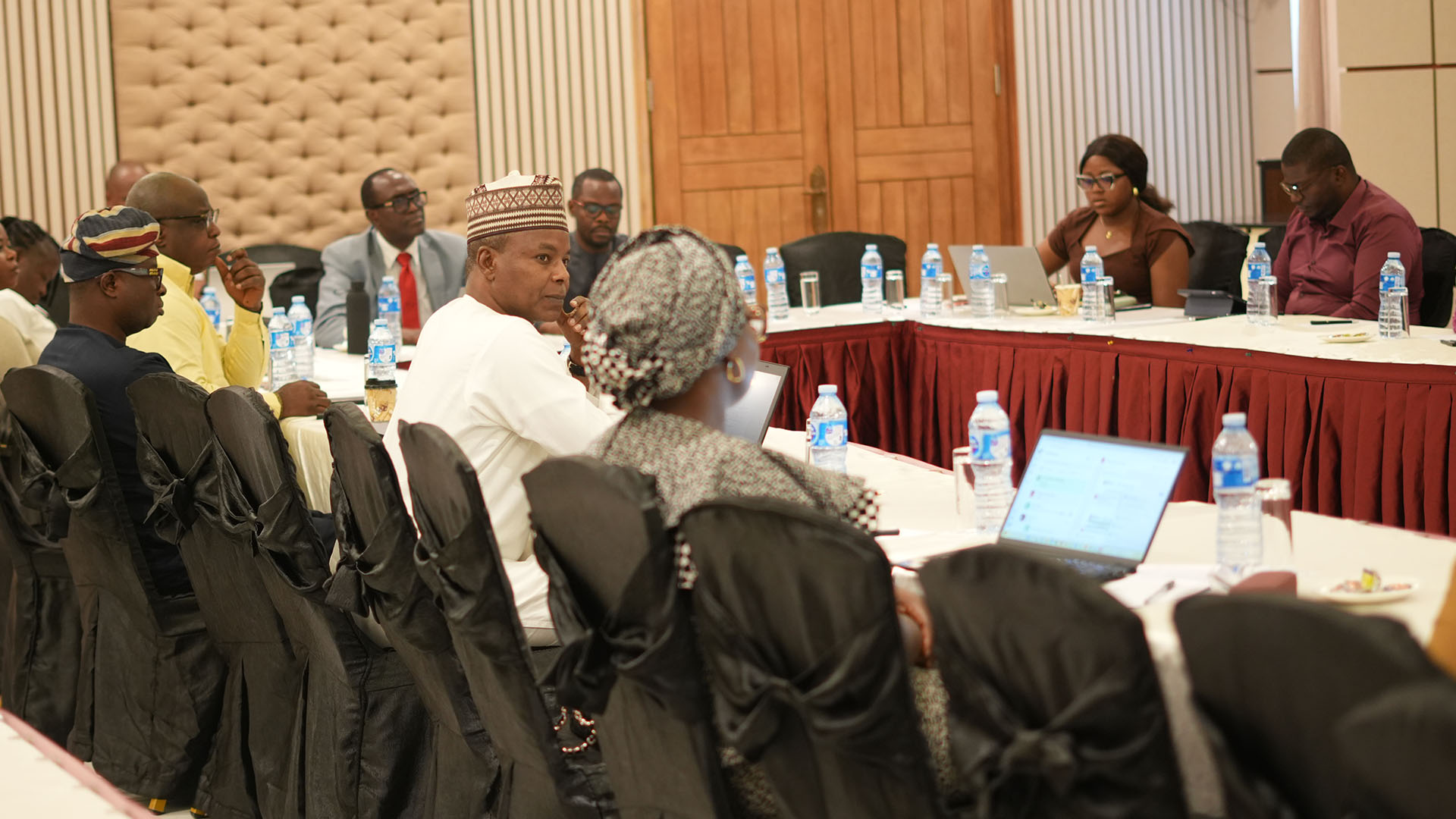
Natural Eco Capital - Sustainability advisory

Natural Eco Capital

A sustainability advisory firm helping organizations integrate nature into business strategy through natural capital accounting, biodiversity risk analysis, sustainable finance, and circular economy solutions.

Learn more
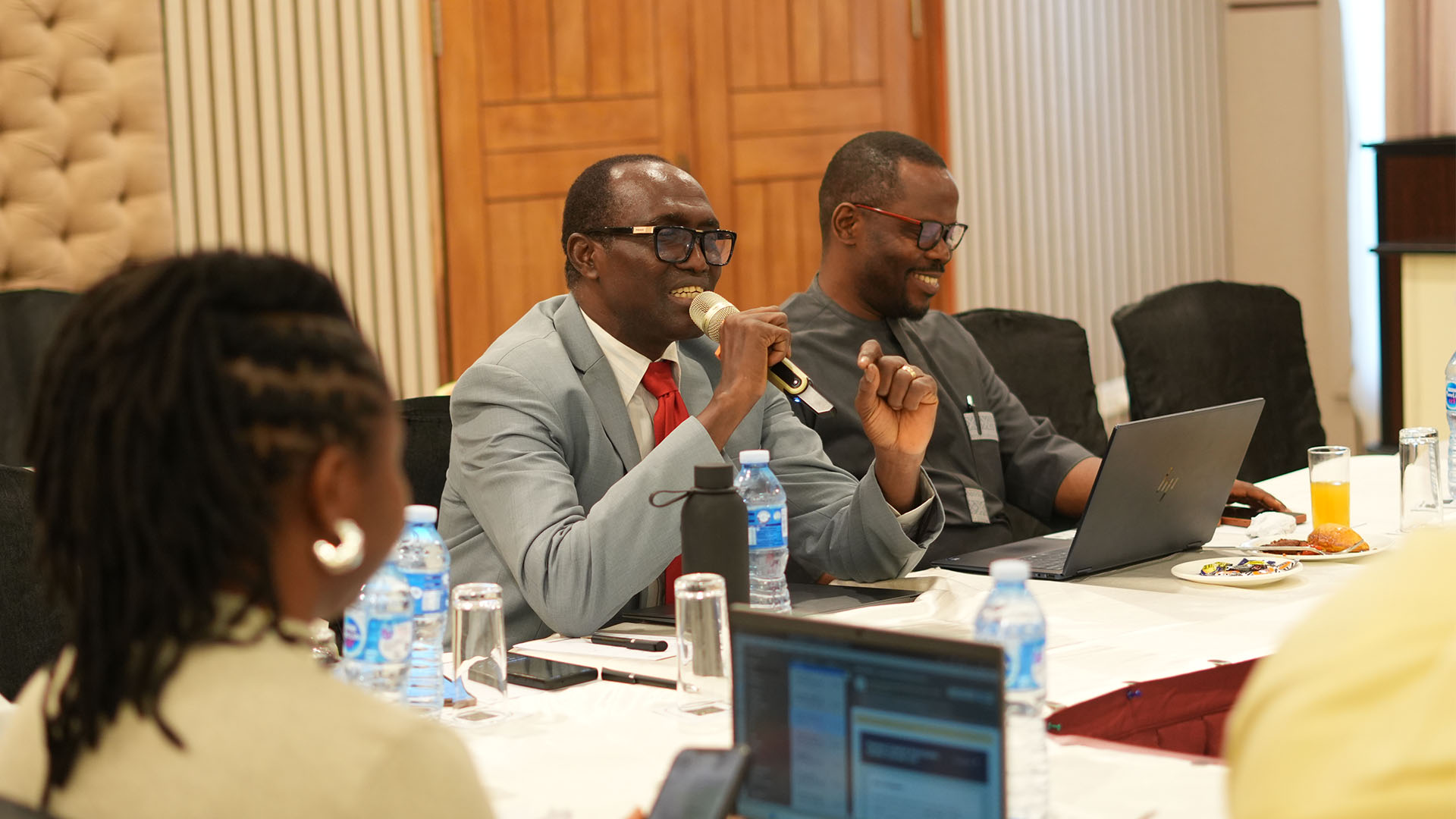
Business for Nature - Global coalition

Business for Nature

A global coalition of more than 100 partner organizations and a network of companies working together to accelerate the transition to a nature-positive global economy.

Learn more