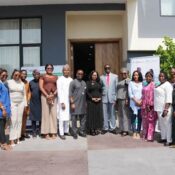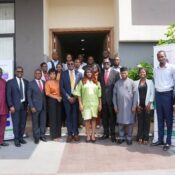
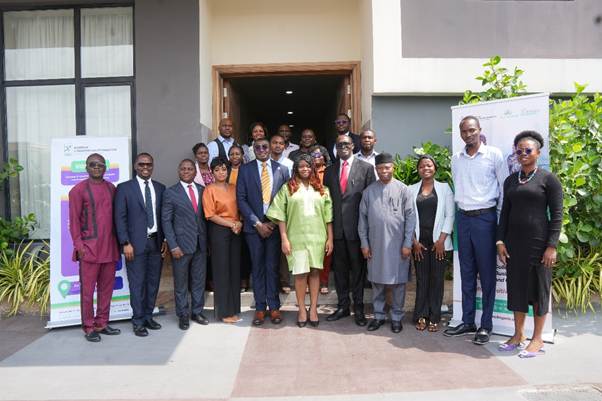
Nigeria is moving from ambition to action in its biodiversity journey. Following the successful joint launch of the Business Advisory Group (BAG) and BIOFIN in Abuja, key stakeholders reconvened in Lagos for the first operational meeting of the BAG, a critical step toward translating national biodiversity goals into real business action.
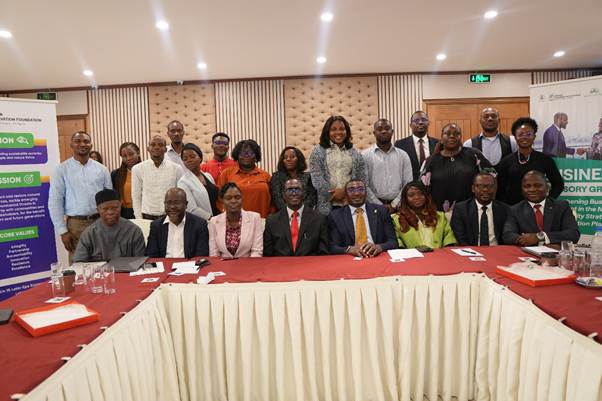
The Lagos meeting marked a shift from high-level commitments to practical implementation, bringing together leading companies, financial institutions, civil society, and government representatives to begin co-creating Nigeria’s Business Action Plan (BAP).
Turning Strategy into Implementation
Convened by the Nigerian Conservation Foundation (NCF), Natural Eco Capital (NEC), and Business for Nature (BfN), the Lagos meeting built on the momentum from Abuja. Its purpose was clear: to operationalize private sector engagement in Nigeria’s biodiversity agenda.
Nigeria’s ecosystems continue to face mounting threats from deforestation and pollution to climate change and unsustainable resource use. While the National Biodiversity Strategy and Action Plan (NBSAP) provides a national framework, achieving its targets requires active business participation. The Lagos convening was designed to kickstart that process.
Why This Meeting Matters
This was not just another stakeholder meeting. It was a working session focused on:
- Aligning businesses with the Kunming-Montreal Global Biodiversity Framework (GBF)
- Defining priority areas for corporate action
- Building the roadmap for a national Business Action Plan (BAP)
- Strengthening collaboration between the private sector and government
In simple terms, it answered a critical question: What does biodiversity action actually look like for businesses in Nigeria?
Key Insights from the Sessions
Biodiversity Is a Business Imperative
In his opening remarks, Dr. Joseph Onoja emphasized a fundamental truth:
businesses depend on nature.
From raw materials and water to energy and supply chains, natural ecosystems underpin economic activity. Ignoring biodiversity loss, he warned, could lead to:
- Resource scarcity
- Rising operational risks
- Future conflicts over natural resources
His message was clear. Protecting nature is essential for long-term business survival.
Global Frameworks, Local Action
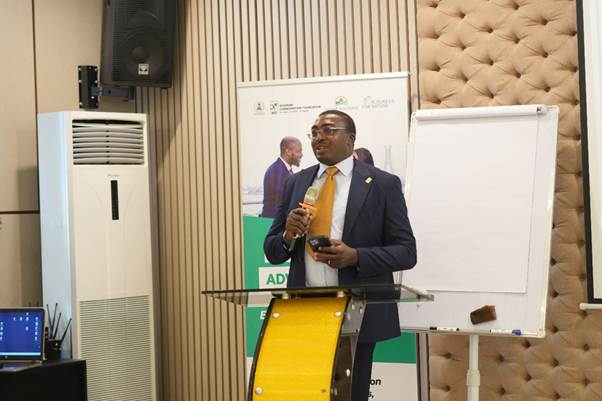
Representing Business for Nature, Sooto Ajayi highlighted Nigeria’s strategic importance in translating global biodiversity goals into national and corporate action.
She noted that:
- Hundreds of companies have been identified for engagement
- Policy alignment and enabling environments remain critical
- Nigeria has a unique opportunity to lead in Africa
Finance and Reporting Are Key Levers
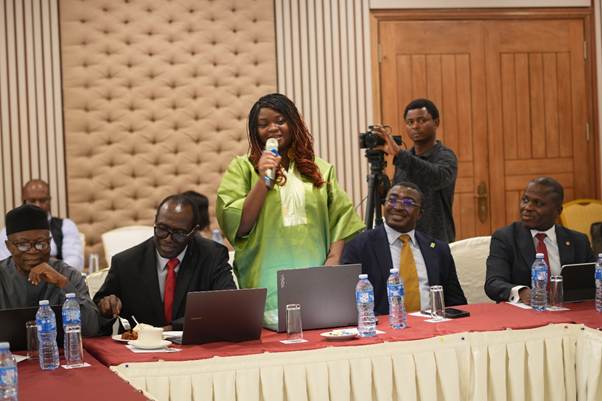
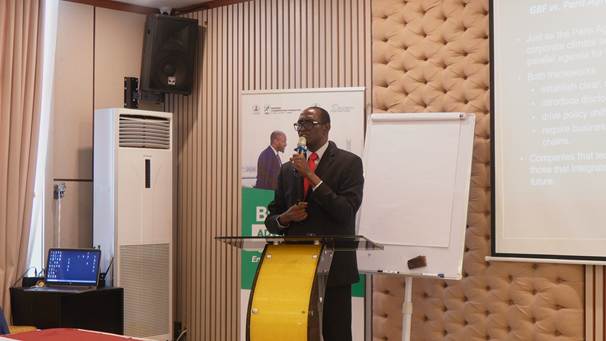
Dr. Eugene Itua of Natural Eco Capital reinforced the role of finance and accountability.
He drew parallels between biodiversity and climate action, noting that:
- Just as climate action is guided by the Paris Agreement, biodiversity action is guided by the GBF
- Businesses must increasingly measure, report, and manage their impacts on nature
- Financial systems must integrate environmental risk into decision-making
Building the Business Advisory Group (BAG)
A dedicated session unpacked the purpose and structure of the BAG, emphasizing:
- Co-creation of the Business Action Plan
- Integration of biodiversity into corporate strategy
- Sustainable sourcing and value chain transformation
Participants were also introduced to tools and platforms that support business action on nature.
What Businesses Agreed To Do
One of the most powerful outcomes of the meeting was a collective commitment from participating organisations.
They pledged to:
- Integrate biodiversity into business strategies and operations
- Actively contribute to the development and implementation of the BAP
- Collaborate with government and industry peers
- Report progress and share learnings
- Contribute to halting biodiversity loss in Nigeria by 2030
Priority Areas for Action
Through plenary discussions, participants identified key focus areas for immediate and long-term action:
- Sustainable sourcing
- Waste reduction and circular practices
- Green finance and investment
- Biodiversity management standards
Companies also highlighted the need for:
- Better regulatory coordination
- Stronger incentives for private sector participation
- Clear reporting frameworks
From Dialogue to Delivery: What Comes Next
The Lagos meeting established a clear roadmap for 2026.
Immediate Next Steps
- Formation of sector-specific working groups
- Launch of a digital collaboration platform
- Kick-off of the BAP drafting process
Key Milestones
- March 2026: Sector action plans submitted
- June 2026: Draft Business Action Plan completed
- August 2026: Official BAP launch with government endorsement
- December 2026: First progress report published
A Growing Coalition for Nature-Positive Business
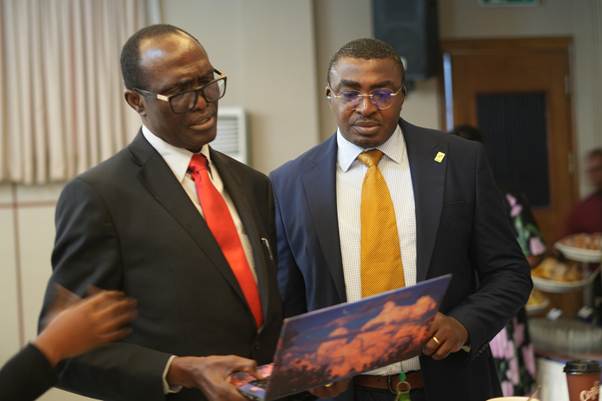
The meeting brought together major players across sectors, including:
- Financial institutions
- Manufacturing and industrial companies
- Professional services firms
This diversity is critical because biodiversity is not a single-sector issue but cuts across the entire economy.
A Defining Step Toward a Nature-Positive Economy
The Lagos BAG meeting represents a pivotal shift in Nigeria’s sustainability journey. It moves beyond policy discussions to structured, measurable, and collaborative action where businesses are not just participants, but drivers of change.
With clear commitments, defined timelines, and growing momentum, Nigeria is positioning itself to:
- Strengthen biodiversity governance
- Unlock private sector investment
- Build a resilient, nature-positive economy
The real work has begun.