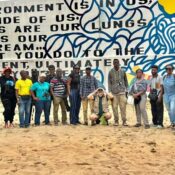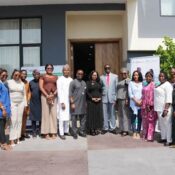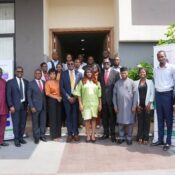
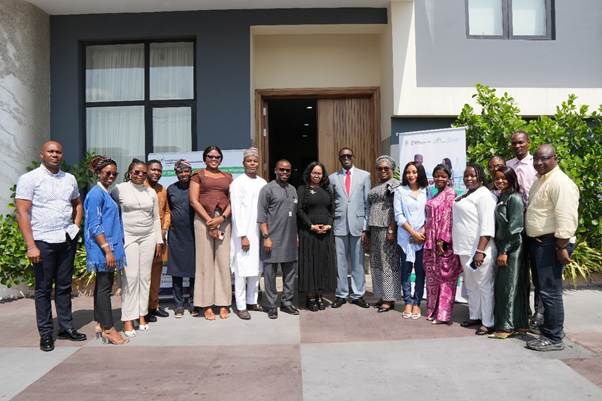
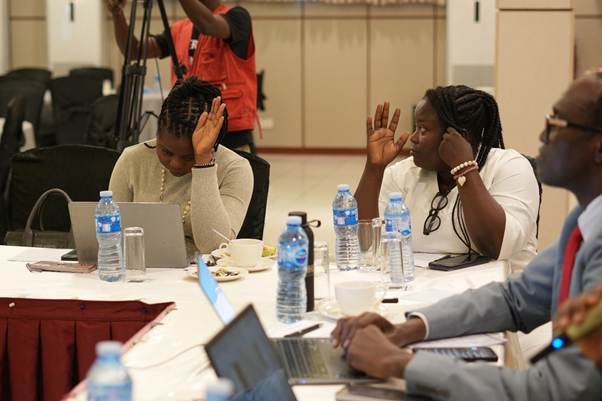
Nigeria is taking bold steps to bring businesses to the forefront of biodiversity conservation and the momentum is building. At the recent National Business Advisory Group (BAG) workshop held in Lagos, leaders from across industries came together to move beyond commitments and begin shaping real, measurable action for nature. Convened by the Nigerian Conservation Foundation, Natural Eco Capital, and Business for Nature in collaboration with the Federal Ministry of Environment, the meeting marked a critical milestone in Nigeria’s journey toward a nature-positive economy.
Why This Meeting Matters
Nigeria’s biodiversity is under increasing threat from deforestation and pollution to climate change and unsustainable land use. Yet, the same economy driving these pressures also holds the key to reversing them. This is where the Business Advisory Group comes in.
Established to bridge the gap between policy and private sector action, the BAG is helping businesses align with Nigeria’s National Biodiversity Strategy and Action Plan (NBSAP 2025–2030) and the global ambition to halt nature loss by 2030.
The March 2026 meeting focused on one key goal: turning ideas into action through the development of Nigeria’s Business Action Plan (BAP).
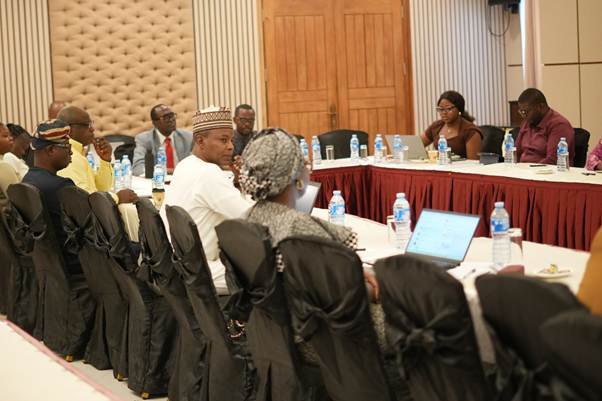
Businesses Are Not Just Stakeholders but Drivers of Change
A major takeaway from the workshop was clear: biodiversity is no longer just an environmental issue but a business issue.
Companies across sectors from finance and manufacturing to agriculture and extractives depend on nature for raw materials, water, energy, and supply chain stability. Ignoring biodiversity risks can lead to resource scarcity, regulatory challenges, and financial losses.
Participants emphasized that forward-thinking businesses must now:
- Integrate biodiversity into core business strategies
- Understand and manage their impact on nature
- Align with global sustainability frameworks
- Invest in nature-positive solutions
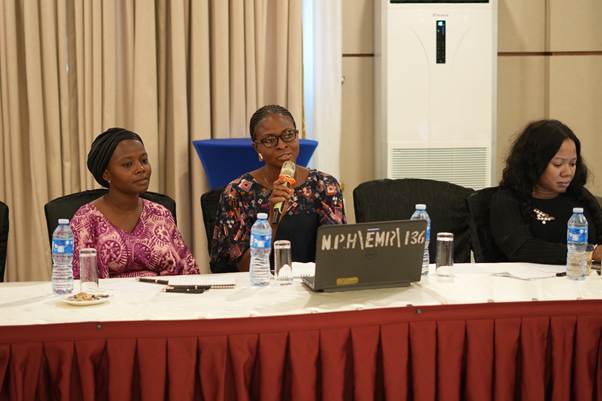
The “Trio Targets” Guiding Business Action
A key highlight of the meeting was the introduction of three priority global biodiversity targets shaping business engagement:
- Corporate Disclosure (Target 15): Businesses must assess and report how their activities impact nature and how nature loss affects them.
- Harmful Subsidy Reform (Target 18): Rethinking financial incentives that unintentionally drive environmental damage.
- Biodiversity Finance (Target 19): Mobilizing investment to protect and restore ecosystems.
These targets are redefining how businesses interact with nature and positioning sustainability as a competitive advantage.
What Businesses Are Already Saying
During interactive sessions, companies shared real-world challenges and opportunities, including:
- The need for clear biodiversity data and reporting standards
- Gaps in technical capacity and measurement tools
- Growing interest in green finance, sustainable sourcing, and waste reduction
- The importance of sector-specific guidance (“rulebooks”)
Encouragingly, many businesses are already taking steps exploring renewable energy, investing in restoration projects, and integrating sustainability into their operations.
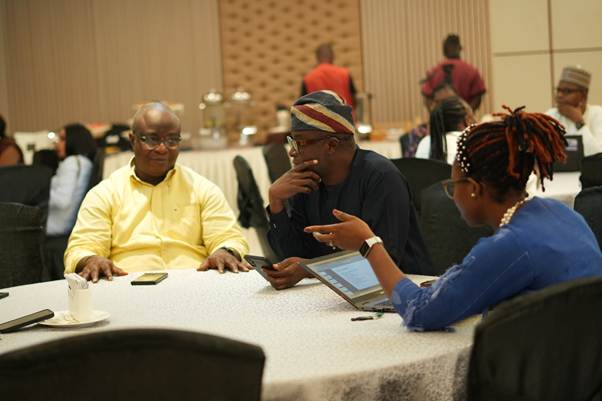
Co-Creating Nigeria’s Business Action Plan
At the heart of the discussions was the ongoing development of the Business Action Plan (BAP) a national roadmap that will guide private sector contributions to biodiversity conservation.
The BAP will:
- Translate national biodiversity targets into practical business actions
- Provide guidance on reporting, investment, and risk management
- Align corporate strategies with global frameworks
- Create accountability through monitoring and reporting
Importantly, it is being co-created with businesses, ensuring it reflects real industry needs and realities.
What Happens Next?
The journey is just beginning, but the roadmap is clear.
Key milestones ahead include:
- Continued sectoral consultations and working group sessions
- Refinement and validation of the Business Action Plan
- National launch of the BAP in August 2026
As momentum builds, Nigeria is positioning itself as a leader in aligning business with biodiversity goals in Africa.
A Shared Responsibility for a Nature-Positive Future
The message from the Lagos meeting is simple but powerful: Protecting nature is not separate from economic growth it is essential to it. Through collaborative work, Nigeria has an opportunity to build an economy that grows by restoring, not depleting, its natural wealth. And with initiatives like the Business Advisory Group, that future is already taking shape.