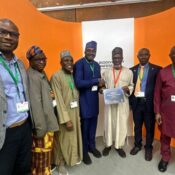
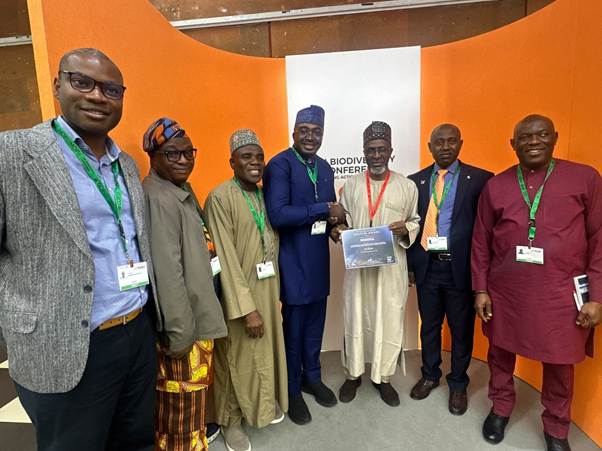
The Nigerian Conservation Foundation (NCF) advanced Nigeria’s biodiversity conservation priorities at the 17th Conference of the Parties to the Convention on Biological Diversity (CBD COP17), held in Yerevan, Armenia, from 19 to 30 October 2026. Through participation in Nigeria’s official delegation, technical discussions, international partnerships and a significant conservation funding milestone, NCF brought practical experience and scientific expertise into global conversations on protecting nature.
The engagements focused on key priorities, including wetland restoration, biodiversity finance, protected area management, community conservation and private-sector participation. They also reinforced the importance of collaboration between government, conservation organisations, businesses and communities in translating international commitments into measurable outcomes for Nigeria.
Understanding COP17 and the Global Biodiversity Agenda
The Convention on Biological Diversity is an international agreement focused on conserving biodiversity, promoting the sustainable use of natural resources and ensuring the fair sharing of benefits from genetic resources. Its Conference of the Parties brings countries together to assess progress, agree priorities and coordinate global action.
COP17 focused on advancing implementation of the Kunming-Montreal Global Biodiversity Framework, adopted in 2022, which sets out 23 targets for halting and reversing biodiversity loss by 2030.
A central ambition is the 30×30 target, which calls for at least 30% of the world’s land, inland waters, coastal areas and oceans to be effectively conserved by 2030. Achieving this requires more than designating protected areas. Countries must improve conservation management, maintain connections between habitats, mobilise sustainable financing and recognise the role of communities in protecting nature.
NCF’s engagements at COP17 addressed these challenges, connecting Nigeria’s conservation experience with the partnerships, policies and resources needed to advance the country’s biodiversity commitments.
Supporting Nigeria’s Biodiversity Priorities at the Negotiating Table
NCF’s Director-General, Dr Joseph Onoja, participated in COP17 as part of Nigeria’s official Party delegation, supporting the country’s engagement in negotiations and discussions on international biodiversity priorities.
His participation reflected the importance of bringing scientific and technical conservation expertise into policy processes. International biodiversity commitments must translate into practical national action supported by credible evidence, effective institutions and partnerships capable of delivering results.
NCF’s experience in ecosystem restoration, biodiversity protection, community engagement and sustainable natural resource management provides an important link between international policy and conservation implementation in Nigeria. Its participation also reinforced the value of collaboration between government and specialist conservation organisations in advancing national priorities.
Integrating Climate and Nature Through Partnerships
On 23 October 2026, Dr Onoja contributed to The Climate and Nature Dividend: Delivering Integrated Climate and Nature Action Through Partnerships, organised by the United Nations Development Programme (UNDP), KPMG and the NBSAP Accelerator Partnership at the UN Pavilion.
The session explored how partnerships can support coordinated responses to climate change and biodiversity loss, challenges that are closely connected but are often addressed through separate policies and programmes.
Healthy forests store carbon, wetlands help regulate water systems, and mangroves protect coastlines while providing habitats for marine life. These benefits demonstrate why climate action and biodiversity conservation must reinforce one another.
Dr Onoja’s participation connected NCF’s conservation experience with discussions on how governments, businesses, development institutions and environmental organisations can work together to deliver shared environmental and social benefits.
Financing Wetland Restoration for Lasting Impact
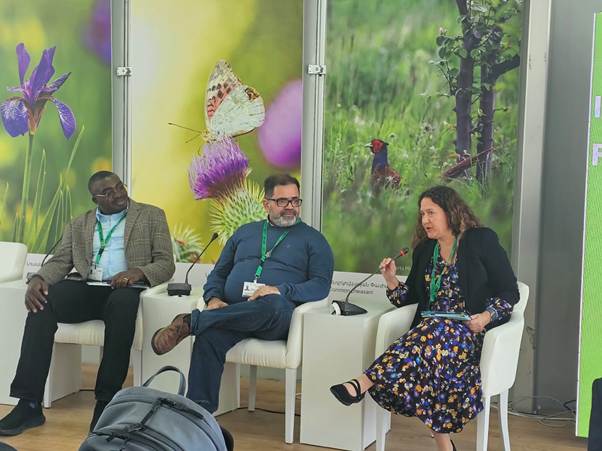
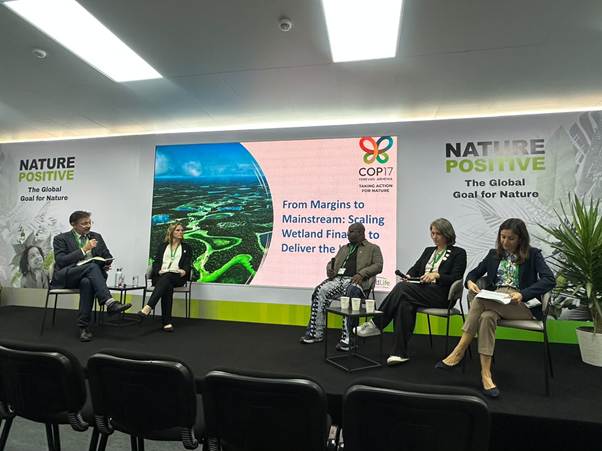
NCF’s Director of Technical Programmes, Adedamola Ogunsesan, participated in From Margins to Mainstream: Scaling Wetland Finance to Deliver the Global Biodiversity Framework, organised by BirdLife International and moderated by its Chief Executive Officer, Martin Harper.
The panel brought together Guy Williams of the Asian Development Bank, Eva Hernández of Wetlands International, Barbara Calvi of FSD Africa, Marie-Anne Paulin of Danone and NCF’s Director of Technical Programmes. Their discussions examined how conservation organisations, financial institutions and businesses can mobilise funding for wetland restoration.
Drawing on Nigeria’s experience, Ogunsesan highlighted three examples of NCF’s restoration partnerships:
- Unilever: Restoration of a 30-hectare watershed in Olokemeji Forest Reserve.
- Ford Foundation: Support for mangrove conservation and restoration interventions.
- NLNG: Collaboration on mangrove restoration.
These initiatives illustrate the connections between ecosystem recovery, water security, community livelihoods and business participation in conservation.
A central message from NCF was that restoration finance must cover the entire process, from baseline assessments and community engagement to implementation, maintenance and monitoring. Without sustained investment, restoration gains can be lost, and ecosystems may fail to deliver their intended long-term benefits.
The engagement brought practical Nigerian experience into the global conversation on biodiversity finance, emphasising the need for funding models that support both ecological recovery and the communities and institutions responsible for sustaining it.
Advancing Africa’s 30×30 Ambition Through Emerging Conservation Models
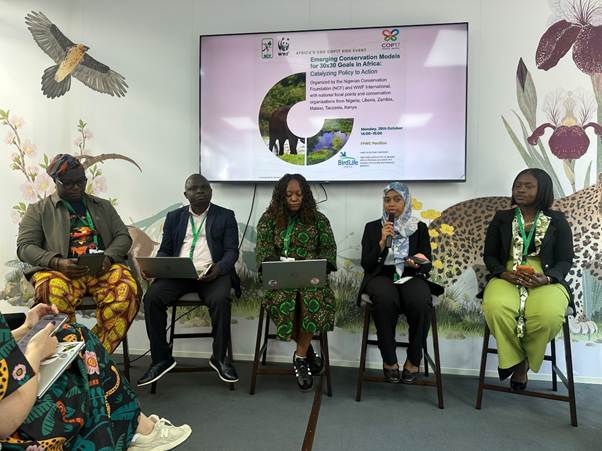
NCF and the World Wide Fund for Nature (WWF) jointly organised Emerging Conservation Models for 30×30 Goals in Africa: Catalysing Policy to Action, moderated by Ogunsesan.
The session brought together perspectives from Zambia, Tanzania, Liberia, Malawi and Nigeria, combining government experience with insights from two national conservation organisations: the Society for the Conservation of Nature of Liberia (SCNL) and the Wildlife and Environmental Society of Malawi (WESM).
The discussion examined how African countries can strengthen protected area management, recognise community conservation efforts and mobilise financing towards conserving 30% of land and seas by 2030.
Community participation emerged as an important consideration. People living closest to forests, wetlands and other ecosystems often possess valuable local knowledge and play a critical role in their protection. Effective conservation therefore requires meaningful participation, appropriate governance and consideration of community benefits.
The session also explored implementation challenges and opportunities for regional learning. By bringing different national experiences together, NCF and WWF created space to examine how conservation approaches can be adapted to local contexts while contributing to shared African biodiversity priorities.
A Milestone for Nigeria: $50,000 Grant to Advance the 30×30 Target
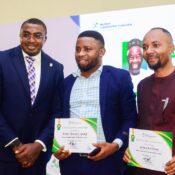
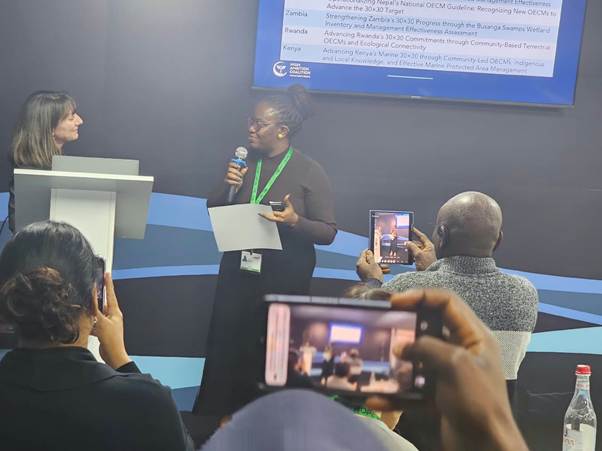
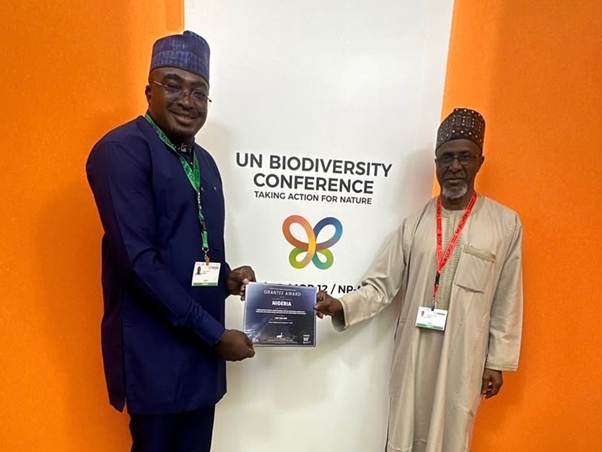
A significant milestone at COP17 was the award of a US$50,000 seed grant to Nigeria under the Rapid Deployment Mechanism (RDM) of the High Ambition Coalition for Nature and People (HAC).
Nigeria was one of seven beneficiary countries, alongside Costa Rica, Kenya, Mexico, Nepal, Rwanda and Zambia. The grant supports the project titled Strengthening Nigeria’s 30×30 Progress through Ecological Connectivity, Terrestrial and Marine OECMs, and Protected Area Management Effectiveness.
The grant was received through the Federal Ministry of Environment, with NCF implementing the project. It will support technical work to strengthen Nigeria’s conservation planning and improve the effectiveness of its protected and conserved areas.
The project focuses on three priorities:
Ecological connectivity: Maintaining connections between habitats so wildlife can move, reproduce and access the resources they need. Fragmented habitats can isolate populations and weaken ecosystems, making connectivity an important part of effective conservation.
Other Effective Area-based Conservation Measures (OECMs): Recognising areas outside formally designated protected areas that are managed in ways that deliver sustained, effective conservation of biodiversity. These areas can make important contributions to national conservation targets.
Protected area management effectiveness: Assessing how well protected areas are managed, identifying gaps and strengthening the systems needed to achieve their conservation objectives.
Through the project, NCF will identify, map and profile priority terrestrial and marine OECMs, assess protected area management effectiveness and develop a national Management Effectiveness Framework.
These activities will generate evidence and recommendations to strengthen conservation governance and support Nigeria’s implementation of Target 3 of the Kunming-Montreal Global Biodiversity Framework.
The grant represents more than additional funding. It provides an opportunity to strengthen the scientific and technical foundations of Nigeria’s 30×30 ambition, demonstrating how government leadership and specialist conservation expertise can work together to translate global commitments into practical action.
Strengthening Business Partnerships for Nature
NCF also engaged partners within the BirdLife International network on opportunities to strengthen business participation in conservation. Discussions with BirdLife International’s Director of Business and Nature drew on NCF’s work with Unilever and the Green Recovery Nigeria programme as examples of business engagement in restoration and biodiversity protection.
Businesses can contribute to conservation through investment, technical expertise, responsible environmental practices and sustained support for restoration initiatives. These partnerships can help mobilise resources while connecting business participation to measurable environmental outcomes.
The discussions provided an opportunity to share Nigeria’s experience and explore further collaboration. They also reinforced the importance of aligning private-sector contributions with national biodiversity priorities and long-term ecosystem management.
Translating Global Commitments into Conservation Outcomes for Nigeria
NCF’s engagements at COP17 demonstrated the importance of connecting international biodiversity policy with practical conservation experience. From supporting Nigeria’s official delegation to advancing discussions on wetland finance, African conservation models and business partnerships, the Foundation contributed Nigerian perspectives to global efforts to address biodiversity loss.
The $50,000 grant awarded to Nigeria provides an important opportunity to strengthen conservation planning, improve protected area management and recognise additional areas that effectively conserve nature.
Working with the Federal Ministry of Environment and other stakeholders, NCF remains committed to advancing evidence-based conservation, strengthening partnerships and supporting the effective management of Nigeria’s natural heritage.