
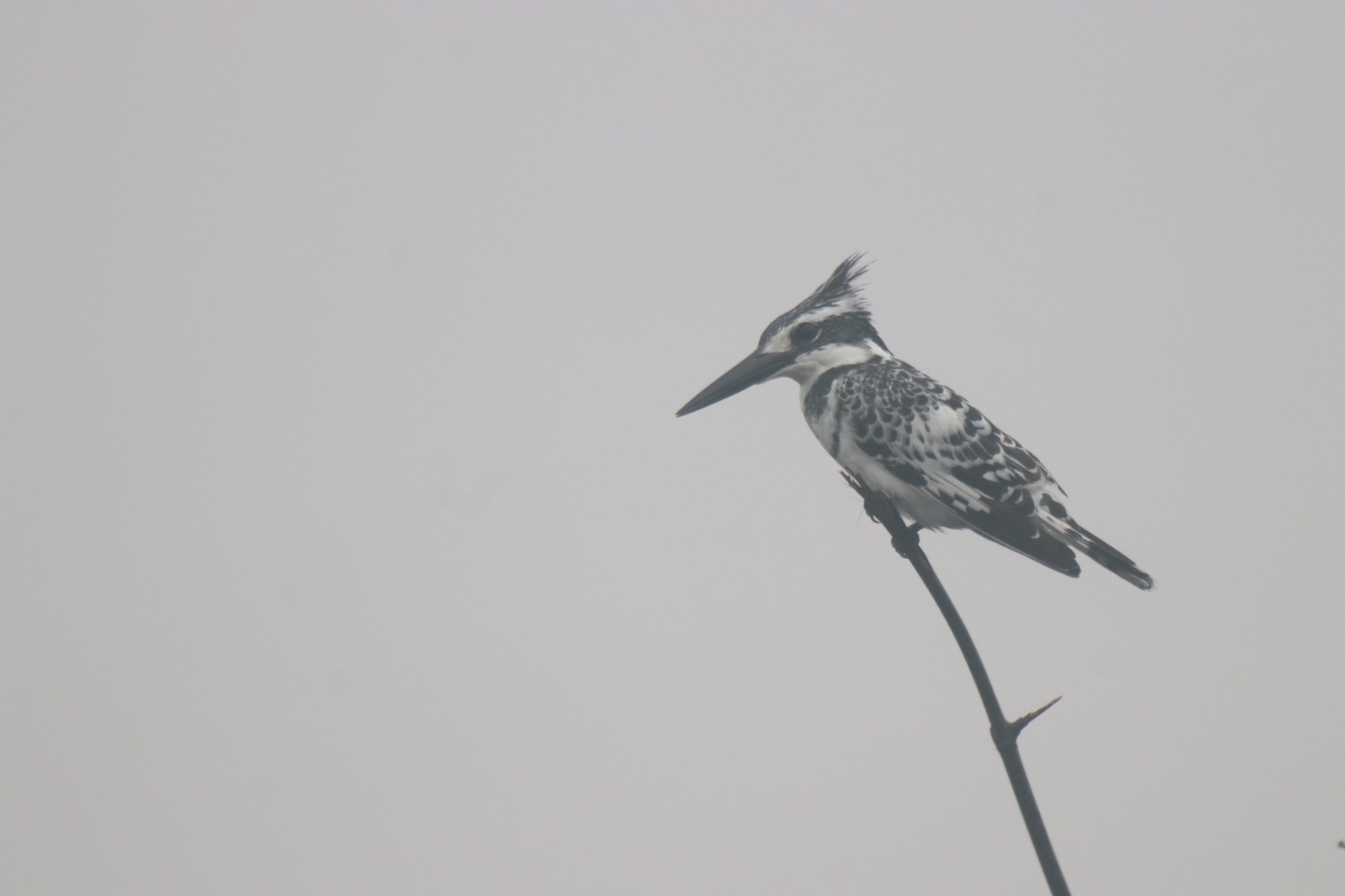
By Dr. Stella Egbe – Strategic Pillar Lead, Biodiversity, Nigerian Conservation Foundation.
In 1822, the discovery of the Rostocker Pfeilstorch provided definitive evidence of bird migration, refuting earlier theories that had suggested seasonal disappearances. Since that time, scientific understanding of bird movement and connectivity has expanded significantly. Sixty years ago, coordinated efforts began to systematically collect data on migratory birds and the factors influencing their survival.
The International Waterbird Census happens every year, bringing together researchers to count birds during the peak of migration. By doing this, they can track bird numbers at important sites and see what affects changes in diversity and abundance. This work matters because birds are key indicators of environmental health. As human and climate pressures increase, birds react in ways that can signal bigger changes for the environment and everyone who relies on it, including people.
The international waterbird census is sixty years old, and the milestones have been remarkable. Across the globe, scientists and nature lovers conduct a simple count exercise every January, which has continued to provide key insights and evidence that form a crucial part of management decisions, species population and status assessments, education, and awareness efforts. For several years, NCF has been participating in the international waterbird census.
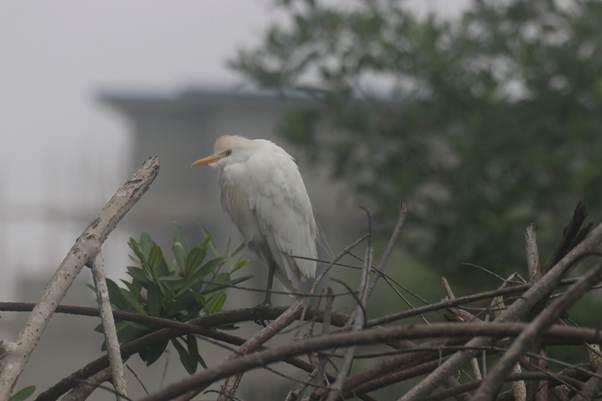
Not all birds migrate, but those that do travel great distances in their annual life cycles, moving from the temperate to the tropic regions. They depend on the environment for resources, including food and ideal habitat conditions, through naturally established flyways. These journeys are an inherent survival strategy that’s embedded in the DNA of these species. However, there are observations of species declines caused by a myriad of factors, and halting species loss involves decisions that are made from evidence-based information; this is one of the key goals of the annual census.
The pressures that drive species declines have been observed at various points along the flyway, from breeding to wintering sites. Human impacts that change habitat conditions include land use change, diseases, indiscriminate killing and unsustainable exploitation, rapid development and introduction of artificial features like light, infrastructure, decline of food sources, and climate change.

As the data is collated and analysed annually, management decisions and actions are designed and implemented at local and global scales. Moreover, these annual exercises have driven partnerships that provide the platform for globally coordinated actions, resource mobilization, shared expertise, and experiences that enrich species and livelihoods.
For example, stakeholders can mobilise resources to support activities across the flyway, from these counts, awareness, and site-based interventions that benefit not just species but the habitat and people.
As we join the global community for the regular counts in 2026, we celebrate some key results from the past efforts, including the sustainable monitoring and management of key sites like the Hadeija Nguru Wetlands, a key Ramsar site and Key Biodiversity Area that holds hundreds of thousands of birds while supporting livelihoods. We also highlight the awareness that has been drawn to the impact of land use and climate change on mangroves, leading to restoration efforts across sites, including communities like Andoni and Akassa, supporting local communities with solar-powered freezers to improve the storage of fisheries while reducing the amount of wood utilised for smoking fish, a major activity across these wetlands.
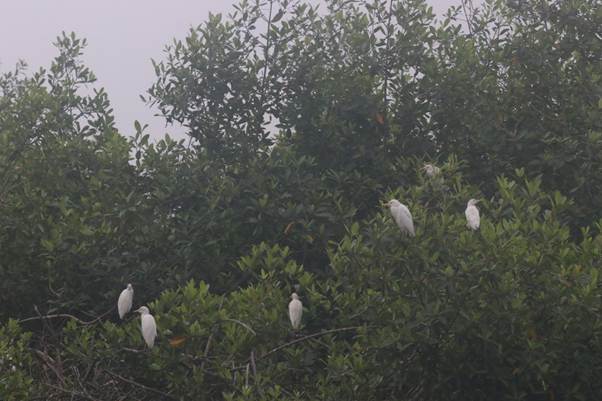
Through education and awareness, communities are becoming more aware of the importance that these annual visitors represent as they become more educated and aware. And globally, waterbird count data form a key part of the decisions for identifying and managing important sites locally and globally, including but not limited to:
- The Ramsar sites: Local counts provide the evidence for identifying Wetlands of International Importance, and the population estimates derived from the counts are the basis for setting the 1% thresholds for the application of Ramsar Criterion 6. ‘
- Important Bird Areas (IBAs): 2,701 IBAs have been identified, partly using IWC counts, covering 1.75 million km2.
- Key Biodiversity Areas (KBAs)
- Mangroves and coastal wetlands
The data also contributes to key policies like the East Asian-Australasian Flyway Partnership (EAAFP) – Identifying internationally important sites for migratory waterbirds for designation as EAAF Network Sites, currently nearly 160 sites in 19 countries; Convention on Migratory Species (CMS); Convention on Biological Diversity (CBD): addressing the goal in conservation and sustainable use of biodiversity under the Kunming-Montreal Global Biodiversity Framework (GBF) and the African-Eurasian Migratory Waterbird Agreement (AEWA).