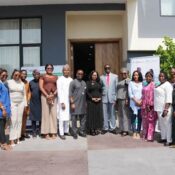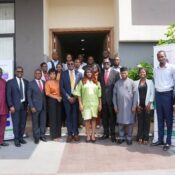
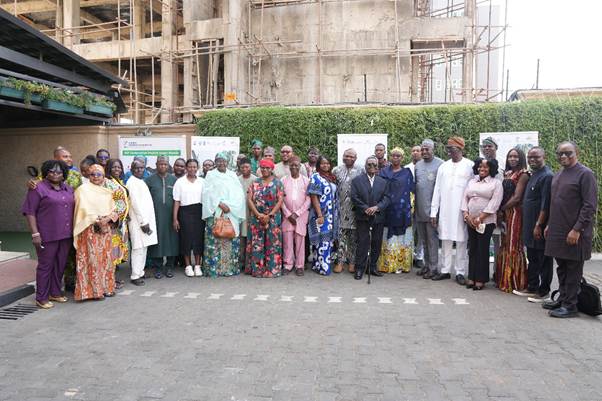
Nigeria has taken a bold and strategic step toward safeguarding its natural heritage and strengthening sustainable development. At a high-level event in Abuja, stakeholders across government, business, and development institutions gathered to launch two critical national initiatives: the Business Advisory Group (BAG) and the Biodiversity Finance Initiative (BIOFIN).
Held at the Johnwood Bolton Hotel under the theme “Mobilising Biodiversity Finance for Nigeria’s Sustainable Development,” the event marked a turning point in how Nigeria approaches biodiversity conservation placing business leadership and financing at the center of the solution.
A Defining Moment for Nigeria’s Biodiversity Agenda
Convened by the Nigerian Conservation Foundation (NCF), Natural Eco Capital (NEC), and Business for Nature (BfN), in collaboration with the Federal Ministry of Environment and UNDP Biodiversity Finance Initiative, the joint launch brought together policymakers, private sector leaders, civil society, and technical experts.
The goal was clear: to bridge the gap between biodiversity policy, financing, and private sector action.
Nigeria is one of Africa’s most biodiverse countries. Yet, its ecosystems are under growing pressure from deforestation, land-use change, pollution, and climate change. While policy frameworks such as the National Biodiversity Strategy and Action Plan (NBSAP) exist, implementation has been slowed by limited financing and insufficient private sector engagement. This event directly addressed both challenges.
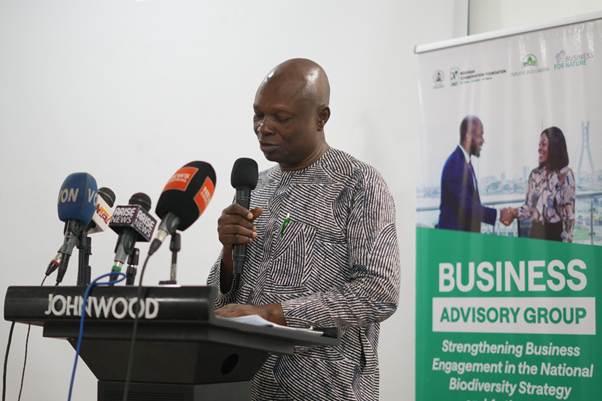
Intersection of the Who and How
At the heart of the launch was a powerful idea: biodiversity conservation is not just an environmental issue. It is an economic and development priority.
The two initiatives play complementary roles:
- BIOFIN focuses on the “how” by identifying financing gaps, mobilising resources, and improving how biodiversity funds are allocated and managed.
- BAG focuses on the “who” by creating a structured platform for businesses to actively contribute to national biodiversity goals.
Together, they form a coordinated approach to unlocking investment, strengthening collaboration, and accelerating implementation.
Key Highlights from the Launch
1. Formal Inauguration of the Business Advisory Group (BAG)
The BAG was officially launched as a national coordination platform for private sector engagement in biodiversity conservation.
It will:
- Facilitate dialogue between government and businesses
- Support the co-creation of a Business Action Plan (BAP)
- Align corporate strategies with national biodiversity priorities
As Dr. Joseph Onoja, Director General of NCF, noted:
“This platform will move businesses from passive awareness to active participation in shaping and implementing biodiversity solutions.”
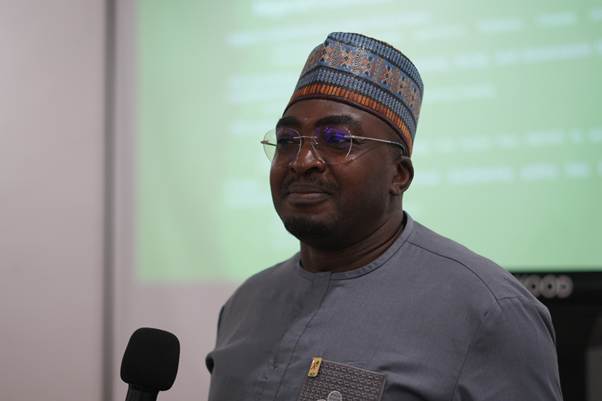
2. Launch of BIOFIN Nigeria
Nigeria formally joined the global BIOFIN programme, which supports countries in developing biodiversity finance plans.
Key focus areas include:
- Assessing biodiversity financing gaps
- Identifying harmful and positive subsidies
- Mobilising public and private investment
- Designing a national Biodiversity Finance Plan
With BIOFIN already active in over 40 countries, Nigeria’s participation signals a serious commitment to closing its biodiversity finance gap.
3. Strong Government Commitment
Representing the Federal Ministry of Environment, Mr. Chris Aiwuyo reaffirmed Nigeria’s commitment to biodiversity through:
- Policy development and NBSAP revision
- Increased funding for forestry and conservation
- Integration of biodiversity into sectors like agriculture and energy
He emphasized a critical point: healthy ecosystems underpin food security, livelihoods, and economic stability.
4. Business as a Catalyst for Change
A central theme throughout the event was the untapped potential of the private sector.
Speakers highlighted that businesses:
- Depend on natural resources for operations and supply chains
- Face increasing risks from biodiversity loss
- Have the capacity to drive innovation and investment
As noted by Business for Nature:
“Businesses must play a central role in translating global biodiversity ambition into real-world impact.”
5. Aligning Finance, Policy, and Action
The launch created a shared understanding that solving Nigeria’s biodiversity crisis requires:
- Better coordination
- Strong governance
- Data-driven decision-making
- Scalable financing solutions
Participants also stressed the importance of:
- Capacity building
- Regulatory frameworks
- Sector-specific working groups under the BAG
From Dialogue to Action: What Comes Next
The event did not end with conversations but set clear next steps.
Immediate Priorities
- Establish BIOFIN governance structures
- Convene BAG members and define implementation timelines
- Begin biodiversity finance gap assessments
Medium-Term Goals
- Develop and validate the Business Action Plan (BAP)
- Mobilise blended finance solutions
- Strengthen policy alignment
Long-Term Vision
- Position Nigeria as a regional leader in biodiversity finance
- Embed biodiversity into national economic planning
- Build a nature-positive economy that supports resilience and growth
A New Chapter for Nature-Positive Development
The joint launch of BAG and BIOFIN marks more than just a milestone—it signals a shift in how Nigeria approaches development.
By aligning finance, policy, and private sector leadership, the country is laying the groundwork for a future where economic growth and environmental sustainability go hand in hand.
The message is clear: protecting nature is not just necessary but smart economics.