COP30 Outcomes Explained: What the Global Climate Decisions Mean for Nigeria and Africa
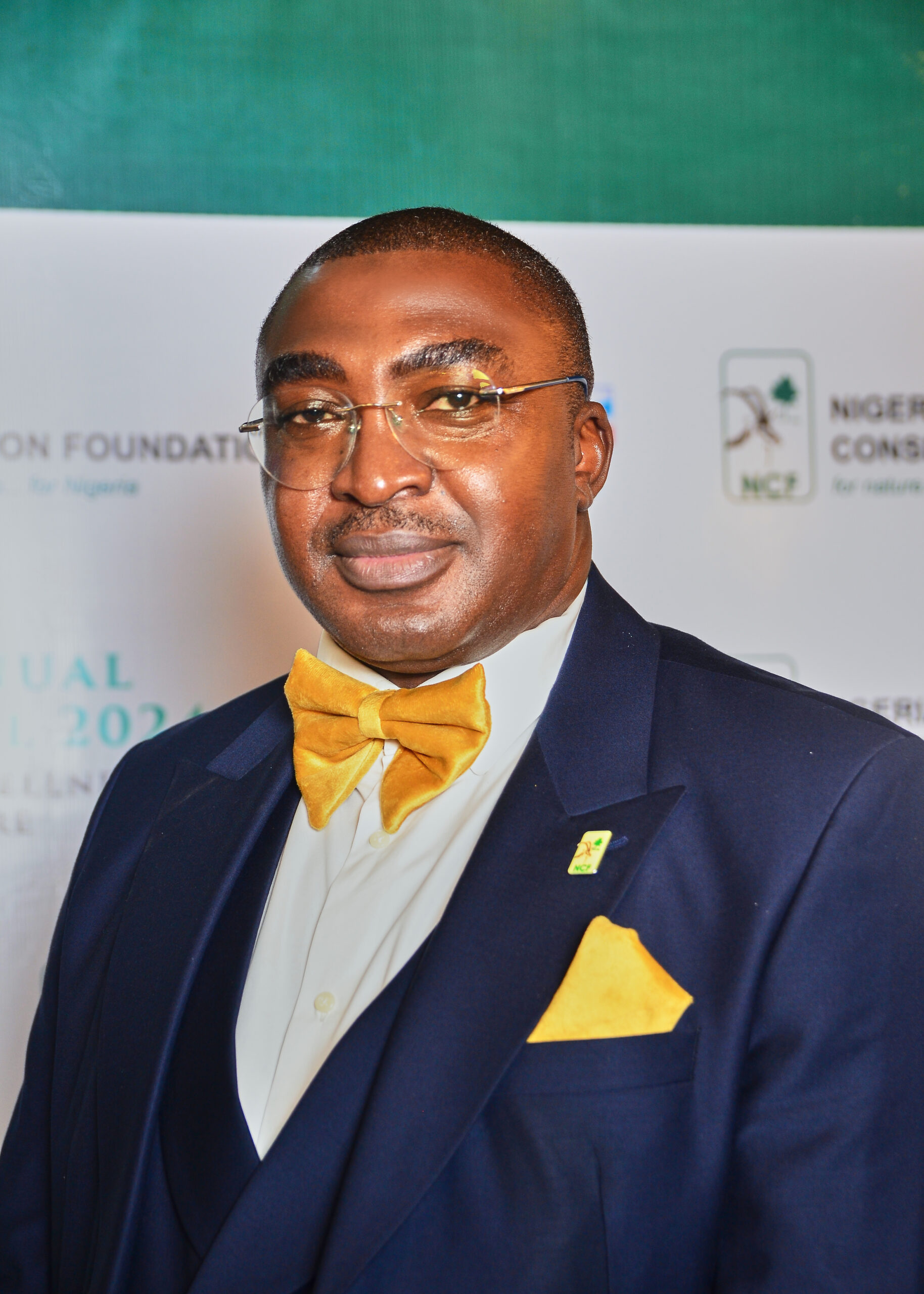
COP30, the annual UN climate meeting, has just concluded in Belém, Brazil. To help unpack its implications for Nigeria and Africa, we spoke with the Director-General of the Nigerian Conservation Foundation (NCF), Dr. Joseph Onoja, a seasoned subject matter expert, who over the years has been part of these high-level discussions and negotiations.
Interviewer: From your perspective, what made this year’s conference significant in terms of outcomes and global direction?
DG: COP30 has always been touted as the COP for implementation. After years of negotiations, this was expected to be the moment where the world steps up to actual action and it lived up to that expectation.
The COP30 Presidency elevated the Montreal Agreement and focused strongly on charting a clear course for implementing previous commitments. One major highlight was climate finance: nations agreed to increase and even triple climate finance by 2030. There are also defined plans for adaptation finance, with a goal of reaching $1.3 billion for developing countries by 2035 and, importantly, a clear roadmap to achieve this.
The location of COP30, at the edge of the Amazon forest, also brought nature into the center of climate discussions. This was emphasized through the launch of the Tropical Forest Forever Facility by the COP Presidency.
“COP30 moved the world from years of negotiation to the era of implementation.”- Dr. Joseph Onoja.
Interviewer: Key outcomes include adaptation finance, forests, and nature-based solutions. Which of these are most consequential for Africa?
DG: It’s difficult to separate climate finance, adaptation finance, and nature-based solutions because they are deeply intertwined. But if we must prioritize, finance becomes the key driver.
Africa is already facing significant loss and damage through flooding, coastal erosion, habitat degradation, and more. Finance is the vehicle for addressing these issues. Operationally, finance is the oxygen, while nature-based solutions are the lungs.
“Finance is the oxygen of climate action, and nature-based solutions are the lungs.”- Dr. Joseph Onoja.
Interviewer: Africa is one of the least emitters yet suffers the most consequences. How should this shape global responsibility?
DG: This is why the global north must step up. There must be an increase in financing for adaptation.
“The global north must step up. Africa needs increased adaptation financing.”- Dr. Joseph Onoja.
Interviewer: One major debate was the lack of agreement on fossil fuel phase-out. How does this shape global climate ambition?
DG: There has been extensive debate, and we expected a stronger text clearly defining fossil fuel phase-out. The outcome still relied on language from COP28, so a clear pathway has not yet been defined.
For Nigeria, as a petro-state, this gives us time to craft a home-grown transition that is just, equitable, and fair. We must ask how we can use gas as our transition fuel and how far we’ve gone in implementing that commitment.
As the world moves toward renewable energy, we must also examine the sourcing of the metals that power it. Many come from biodiverse regions, where mining could result in child labor, exploitation of women, and other social harms. We must follow the value chain to ensure renewable energy does not create new problems while solving old ones.
“Nigeria must design a transition that is just, equitable, and home-grown.”- Dr. Joseph Onoja.
Interviewer: Africa pushed strongly for adaptation financing and equitable transitions. How well were Africa’s priorities reflected?
DG: Africa went into COP30 focused on climate finance, especially loss and damage and to a large extent, this was achieved. There is now a clear roadmap, replacement cycle, and concrete structures to increase financing for the continent.
What remains is for Africa to unite around bankable projects tied to development issues. We also need stronger data systems including remote sensing, satellite imagery, and on-the-ground data as well as strong leadership and unity of purpose. This will position us better ahead of COP32, which will take place on African soil.
“Africa now has a clear roadmap for climate finance. Our task is to unite around bankable, data-driven solutions.”- Dr. Joseph Onoja.
Interviewer: What practical opportunities can Africa leverage going forward?
DG: COP30 highlighted nature’s contribution to global climate action. Africa must showcase its rich natural heritage which is second only to the Amazon.
This is an opportunity to integrate our development needs with climate action. As the world moves away from fossil fuels, climate finance can become a major pathway for Africa’s development.
“Apart from the Amazon, Africa holds the world’s next greatest natural heritage. This is our development advantage.”- Dr. Joseph Onoja.
Interviewer: Data and monitoring systems were emphasized at both Ramsar COP15 and UNFCCC COP30. What steps should Nigeria take to improve climate and ecosystem data?
DG: Data supports planning, and technology now enables remote sensing and satellite imagery. We must establish a well-curated, accessible national database.
NCF is working with the Federal Ministry of Environment, National Council on Climate Change (NCCC), GEF, UNDP, and FAO to implement the Capacity Building Transparency Initiative, which at the start, will help five greenhouse-gas-emitting sectors report accurate data. This will reveal our emission levels and inform necessary actions.
We also plan to leverage NASA’s Earth observation systems to support decision-making. Nigeria needs data to track deforestation, flooding, desertification, and other ecological changes. With reliable data, we can negotiate more effectively and demand support backed by evidence.
“Nigeria needs a well-curated national database to drive climate planning and strengthen our voice at the negotiating table.”- Dr. Joseph Onoja.
Interviewer: Which COP30 decisions will have the most immediate impact on Nigeria?
DG: The Tropical Forest Forever Facility presents a major opportunity for Nigeria, given our tropical forests. This facility finances long-term forest conservation, and Nigeria can leverage it alongside ongoing habitat restoration efforts.
NCF’s Green Recovery Nigeria programme provides a strong platform through which we can mobilize funds and strengthen forest conservation.
“The Tropical Forest Forever Facility is a major opportunity for Nigeria’s forest conservation agenda.”- Dr. Joseph Onoja.
Interviewer: How can Nigeria strengthen restoration and climate resilience using COP30 outcomes?
DG: The approval of the Nigerian Carbon Market Policy by the NCCC is a major tool. COP30 strengthens Nigeria’s position to activate and maximize our carbon market potential.
We also need to strengthen our NDC 3.0. Although already submitted, it can be improved using lessons from COP30.
Equally important is ensuring synergy between Nigeria’s three Rio Convention documents. That is why NCF, alongside Natural Eco Capital and with support from Business for Nature, is convening the private sector to support implementation of the National Biodiversity Strategic Action Plan (NBSAP).
Businesses have a critical role in climate action, biodiversity conservation, and preventing land degradation. This demands collaboration and shared effort.
“COP30 strengthens our position to activate a robust carbon market for Nigeria.”- Dr. Joseph Onoja.
Interviewer: Nigeria’s NDCs, biodiversity strategies, and climate policies will need strengthening. How should COP30 outcomes shape these updates?
DG: We must create synergy among the three Rio Conventions — UNFCCC, CBD, and UNCCD — so they reinforce each other instead of working in silos. With a blended approach, climate action will not harm biodiversity or land.
Nigeria must strengthen its NDCs, NBSAP, and National Adaptation Plan with concrete, development-centric steps that reflect the outcomes of COP30.
“A blended approach to the Rio Conventions ensures climate action doesn’t harm biodiversity or land.”- Dr. Joseph Onoja.
Interviewer: What is NCF doing to translate COP30 decisions into practical solutions?
DG: NCF is positioned between global commitments and local action. Through the Green Recovery Nigeria programme, we take species conservation, habitat restoration, and community development directly to the grassroots.
Environmental conservation is human conservation. People must be at the heart of our work. Across Nigeria, our projects reflect this commitment.
We will continue to support the Federal Ministry of Environment, NCCC, and other national focal points of multilateral agreements as both a technical adviser and an implementer of climate action on the ground.
“Environmental conservation is human conservation—people must be at the heart of climate action.” – Dr. Jospeh Onoja.
Interviewer: As a long-standing member of Nigeria’s negotiation team at COP, what are your thoughts on the delegation’s performance this year?
DG: I was pleased to see improved preparation by Nigerian negotiators. Meetings took place before and during COP30, and there was clarity on national priorities. There is still room for improvement, but progress is evident.
I hope to see more young negotiators equipped with the knowledge and energy to transform agreements into action.
NCF as a technical and implementing partner, helps fill gaps where needed. For example, I negotiated on the synergies of the Rio Conventions to ensure actions in one area do not negatively impact another. We made substantive progress, though no draft text has been finalized due to differing party positions.
“Nigeria’s negotiators showed improved preparedness, and the next step is translating agreements into action.”- Dr. Joseph Onoja.